Design 6 min read
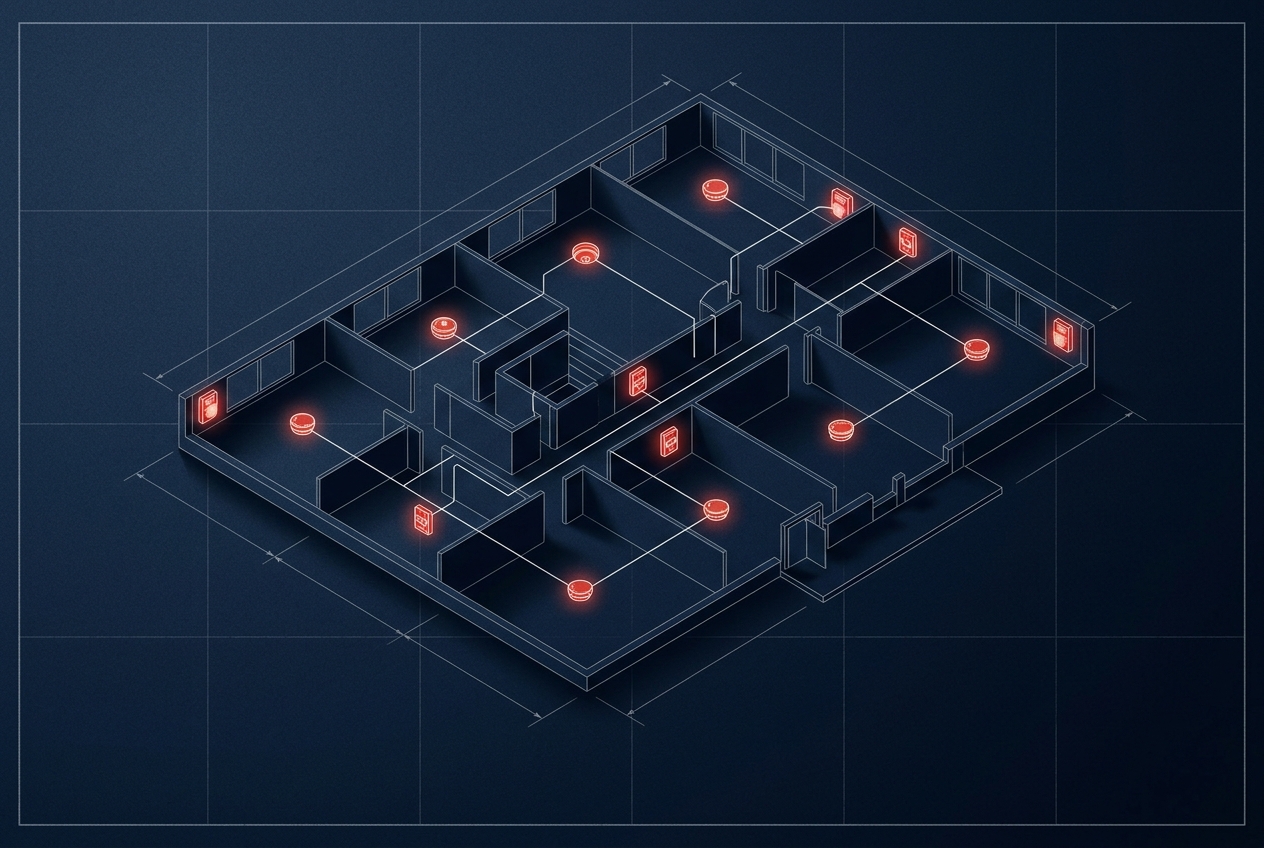
Fire Alarm System Design Basics
Understand the building blocks of fire alarm system design and how a good layout turns detection into fast, clear notification.
Read guide
Plain-language articles on fire alarm system design, NFPA 72 concepts, detector selection, wiring, and inspections. Educational only — always verify with the adopted code and your AHJ.
Understand the building blocks of fire alarm system design and how a good layout turns detection into fast, clear notification.
Read guide
NFPA 72 is the common language of the fire alarm industry. Here's a plain-language overview of what it is and how to use it responsibly.
Read guide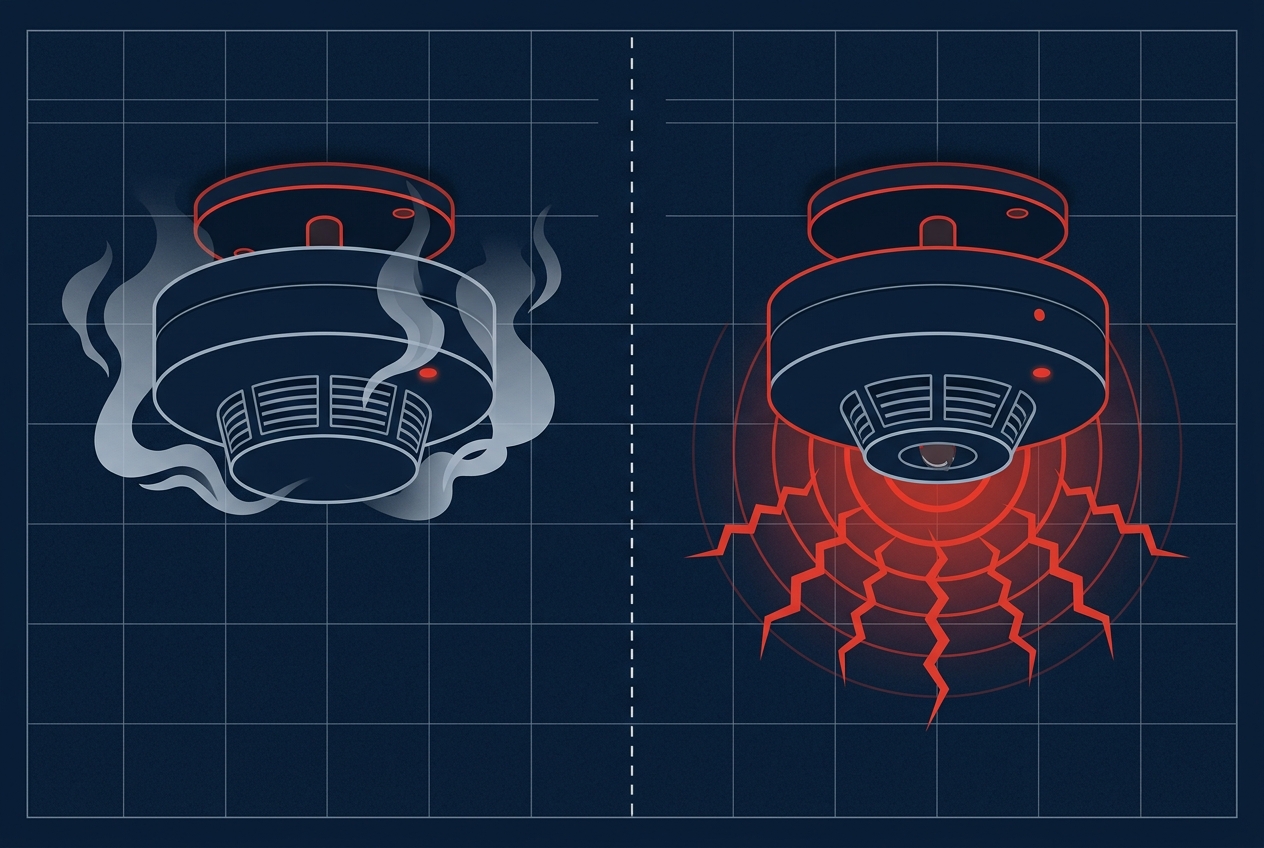
The right detector in the right place detects real fires faster and avoids false alarms. Here's how smoke and heat detection compare.
Read guide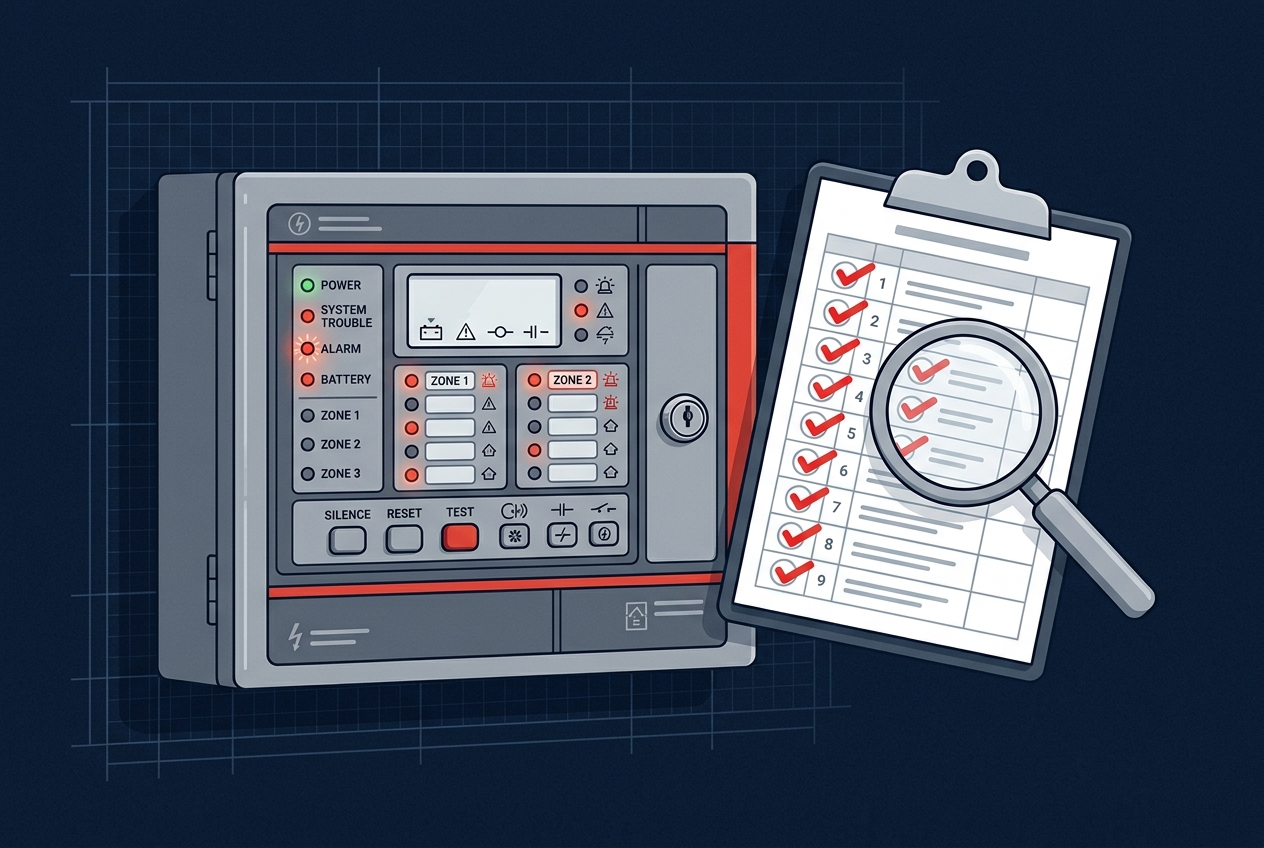
Inspections validate design and installation. Thorough documentation and a self-check prevent failed inspections and costly delays.
Read guide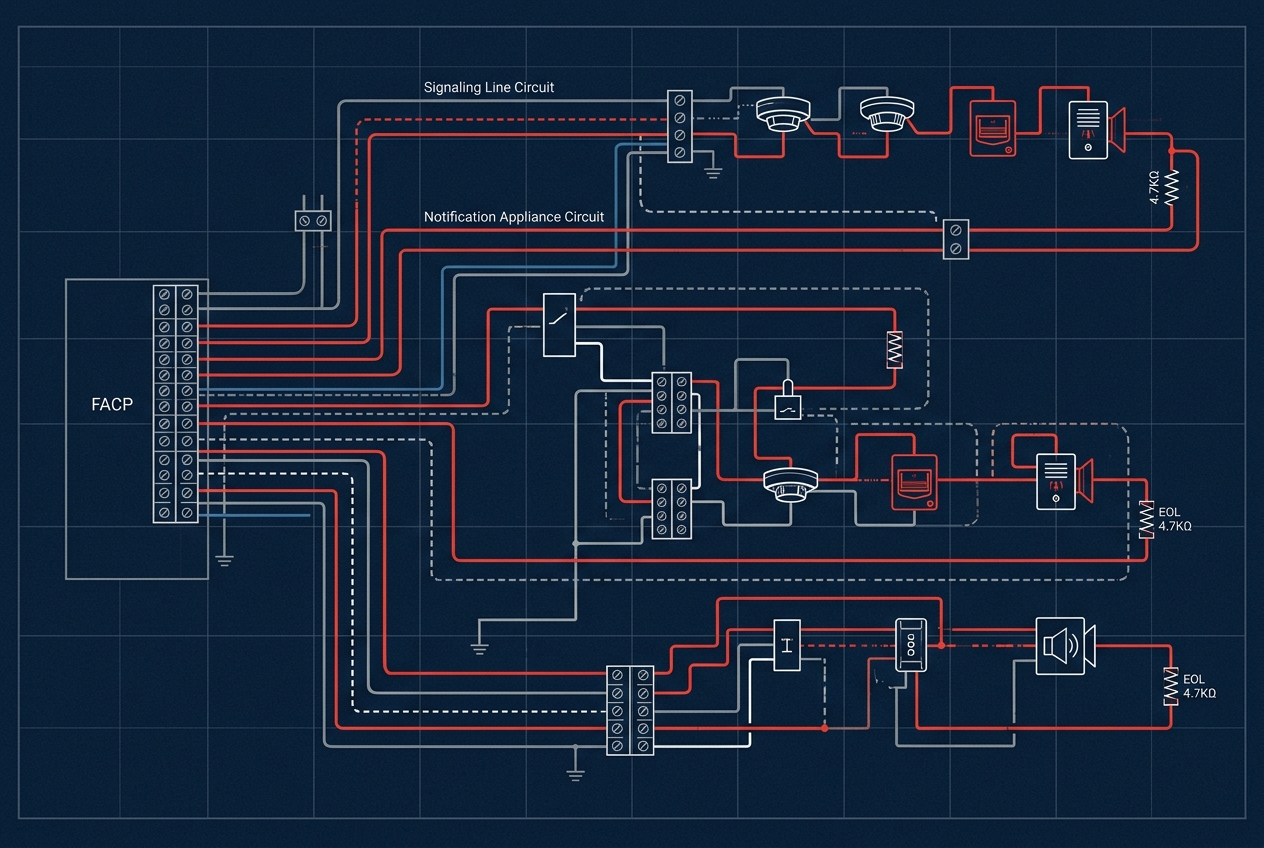
Circuit type, class, and pathway integrity decide whether a system keeps working when a wire is damaged. Here's the plain-language version.
Read guide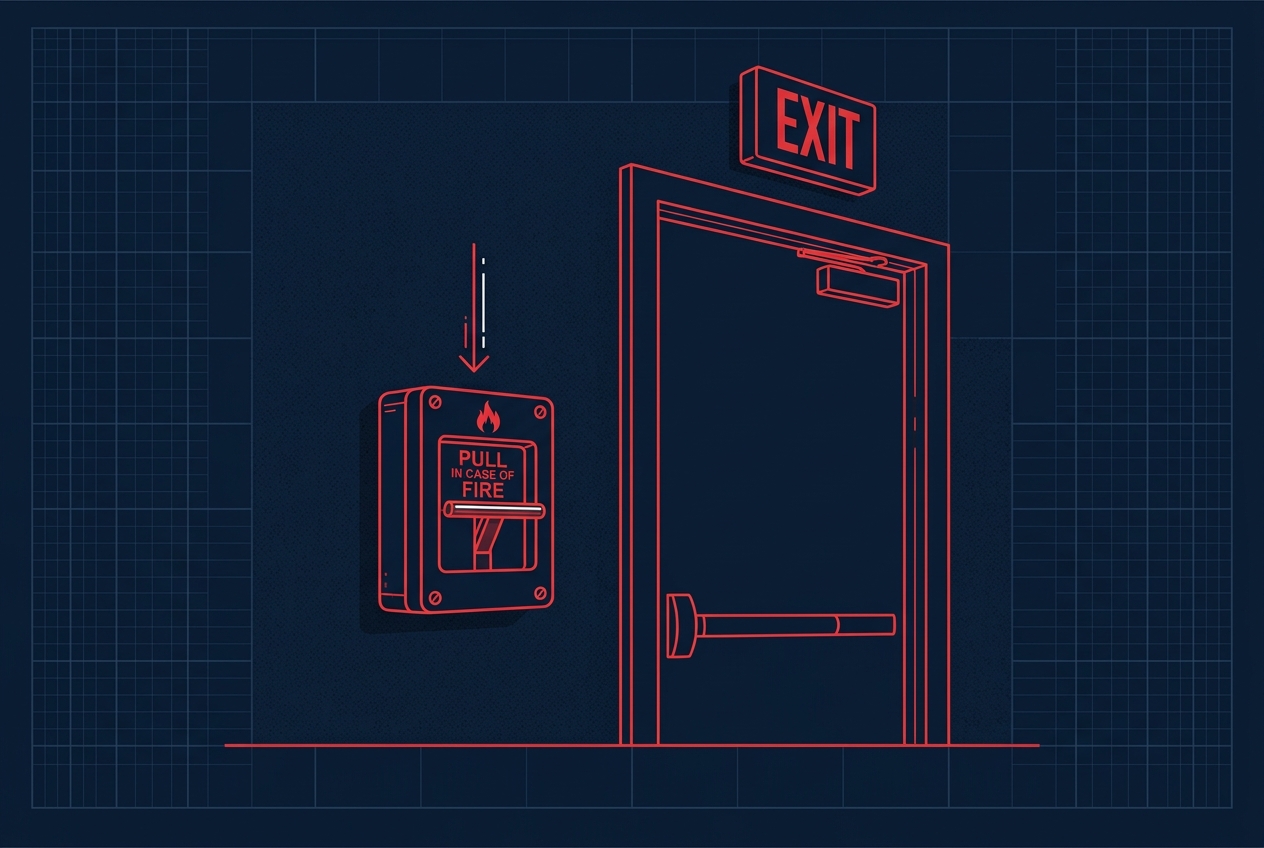
A manual pull station only helps if occupants can find and reach it. Here's how placement, height, and spacing work in plain language.
Read guide
The last strobe on a long circuit sees less voltage than the panel supplies. Here's why voltage drop happens and how designers stay within limits.
Read guide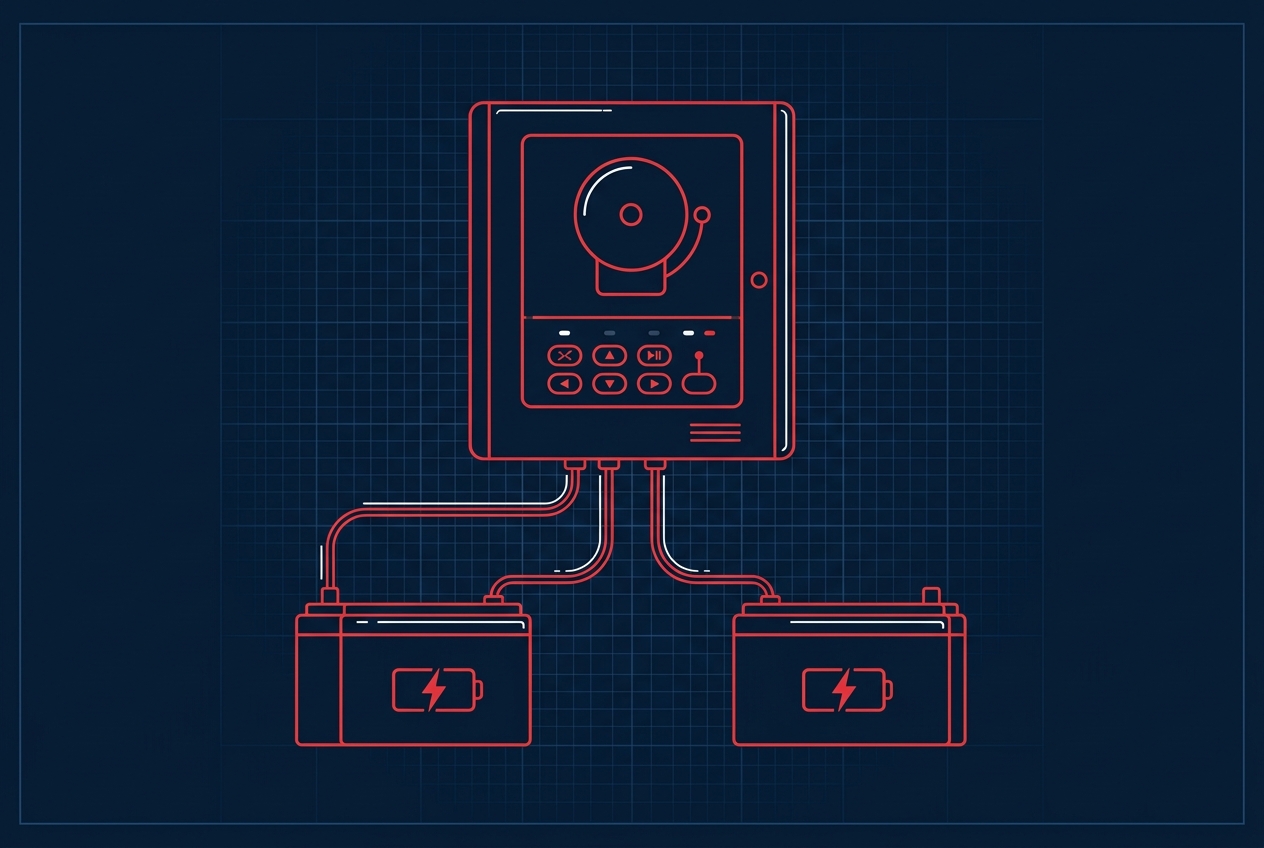
Secondary batteries keep a fire alarm running when the power fails. Here's how standby battery sizing works, in plain language.
Read guide
Trouble signals on a commercial system almost always come down to opens, shorts, or ground faults. Here's a repeatable way to isolate them without guesswork.
Read guide
Ground faults are the most common — and most maddening — fire alarm trouble. Here's a calm, methodical way to find and clear one.
Read guide
Data centers stack fire alarm, clean-agent suppression, and mechanical interlocks into one response. Here's how commissioning proves the whole chain works — grounded in NFPA 3 and NFPA 4.
Read guide
Notification is about reaching everyone — by sound and by sight. Here's how Chapter 18 turns that goal into candela ratings and spacing you can lay out.
Read guide
A voice message no one can understand is worse than a tone. Here's how Chapter 24 turns 'clear enough to act on' into something you can design and measure.
Read guide
Class A, B, and X describe how much a circuit can survive before it stops working. Here's what each designation actually buys you.
Read guide
Wireless and mesh technology is reshaping fire alarm systems — but the code's reliability bar doesn't move. Here's how Chapter 23 treats the radio pathway.
Read guide
They sound interchangeable, but they answer different questions. One asks 'does this system work?' — the other asks 'does the whole design work together?'
Read guideTry the interactive Learning Center and Blueprint Workspace.
We use cookies
We use essential cookies to keep you signed in and remember your preferences, plus basic analytics to improve the app. See our Privacy Policy.