
NFPA 72 code sections
Leer en españolNFPA 72 Code Sections for Fire Alarm Technicians
114 rules every tech should know — each in plain language, with its NFPA 72 chapter and section, a job-site example and a quick check.
114 code sections · Code Sections practice drill →
NFPA 72 Overview
 "Shall" is a requirement, "should" is adviceChapter 3 — Definitions; Annex A
 Approved, listed, and labeled are three different thingsChapter 3 — Definitions; Chapter 10 — Fundamentals
 New editions don't automatically apply to existing systemsChapter 1 — Administration
 Alternatives are allowed if they're proven equivalentChapter 1 — Administration
 The code says who is qualified to design, install, and testChapter 10 — Fundamentals
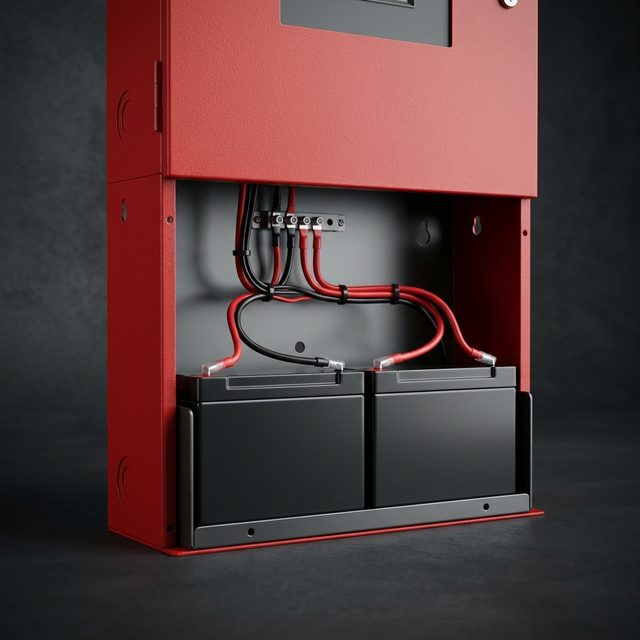 Two power sources — and the 24-hour / 5-minute ruleChapter 10 — Fundamentals
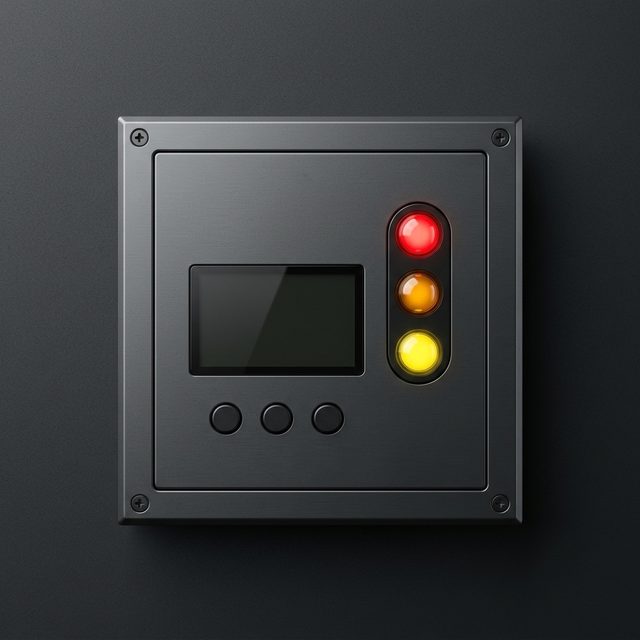 Alarm beats supervisory, supervisory beats troubleChapter 10 — Fundamentals
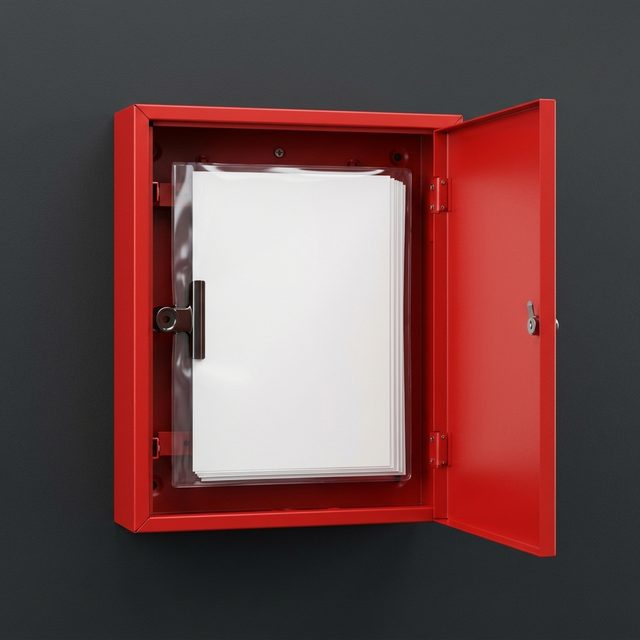 The Record of Completion is the system's birth certificateChapter 7 — Documentation
 Taking a system out of service is an impairment — and it has rulesChapter 10 — Fundamentals
Basics of Fire Alarm Systems
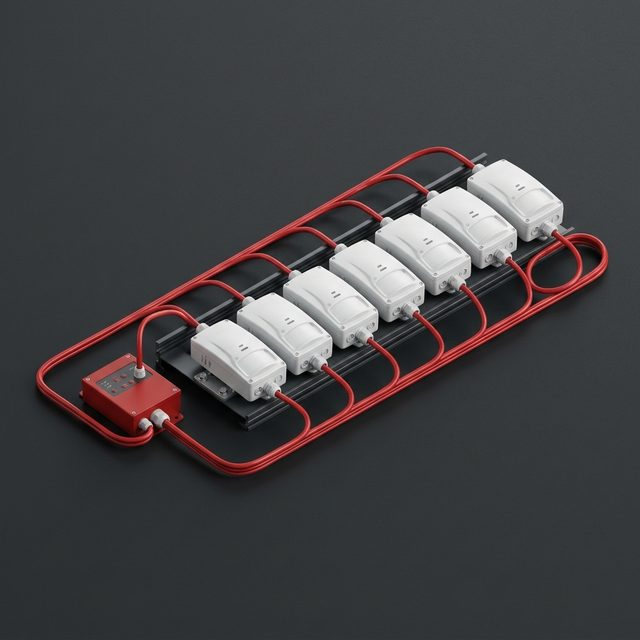 Circuit classes describe how a pathway survives a faultChapter 12 — Circuits and Pathways
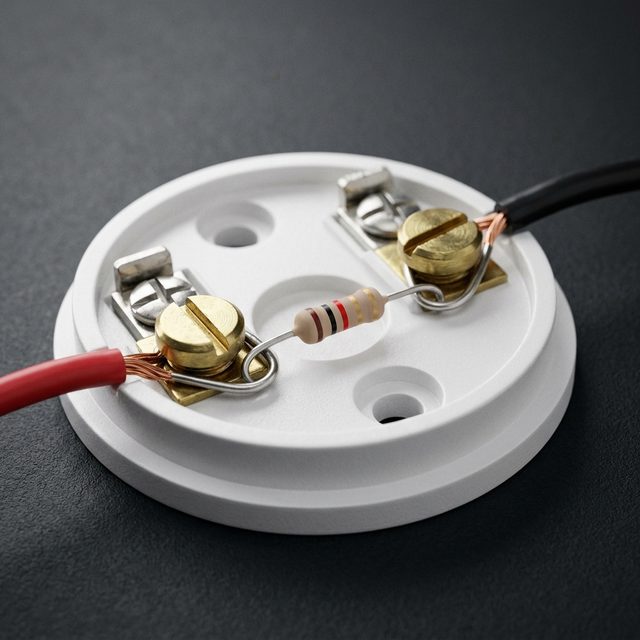 Every circuit has to prove it's still intactChapter 12 — Circuits and Pathways
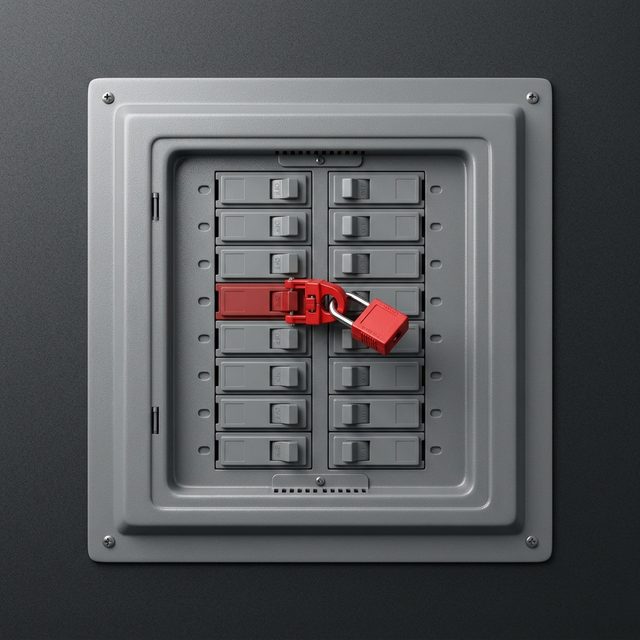 The panel gets its own breaker — and it's markedChapter 10 — Fundamentals
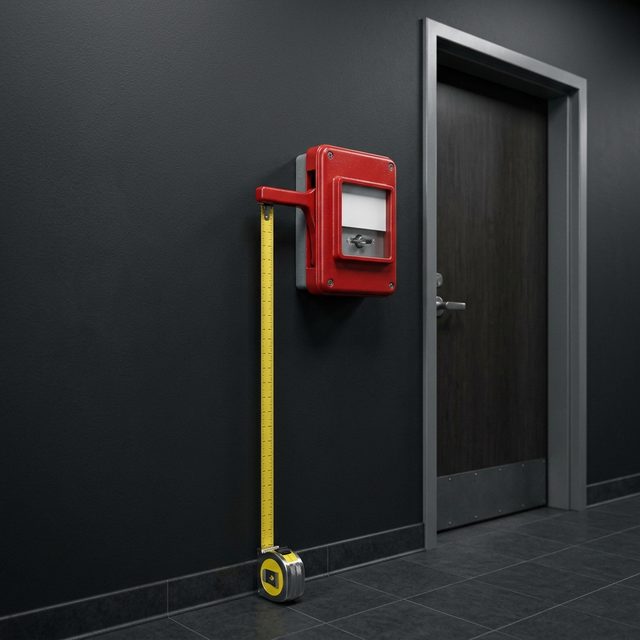 Where a pull station goes is in the code, not up to youChapter 17 — Initiating Devices
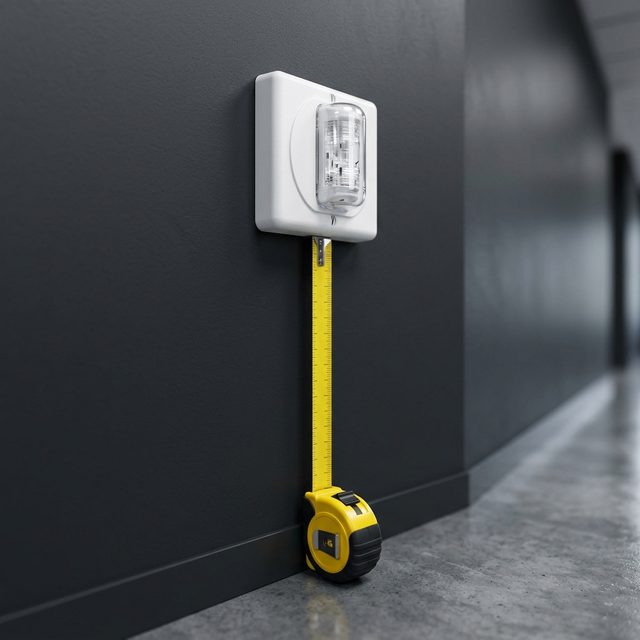 Wall strobes live between 80 and 96 inchesChapter 18 — Notification Appliances
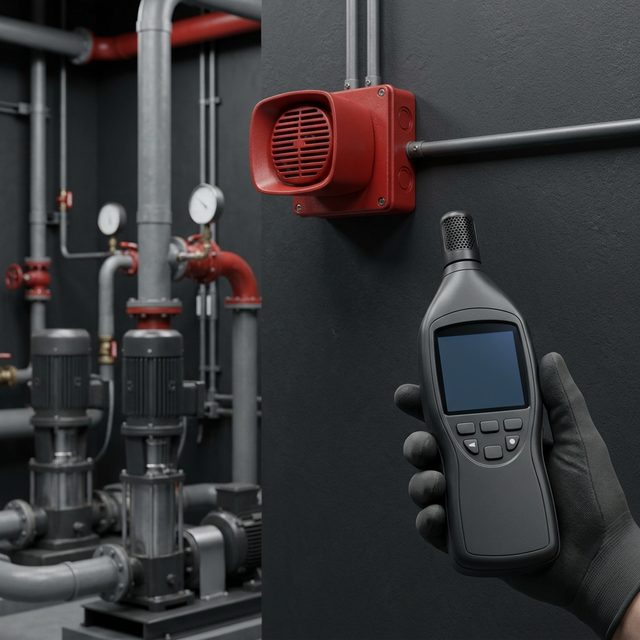 Alarm sound has to beat the room's noise, not just existChapter 18 — Notification Appliances
Signal Types & Monitoring
 Trouble signals must be heard, can be silenced, but can't be hiddenChapter 10 — Fundamentals
 Silencing an alarm is allowed — forgetting it is notChapter 10 — Fundamentals
 A supervisory signal needs both an 'off-normal' and a 'back to normal'Chapter 10 — Fundamentals
 Central, proprietary, remote — three kinds of monitoringChapter 26 — Supervising Station Alarm Systems
 Alarm verification buys 60 seconds — no moreChapter 23 — Protected Premises Fire Alarm Systems
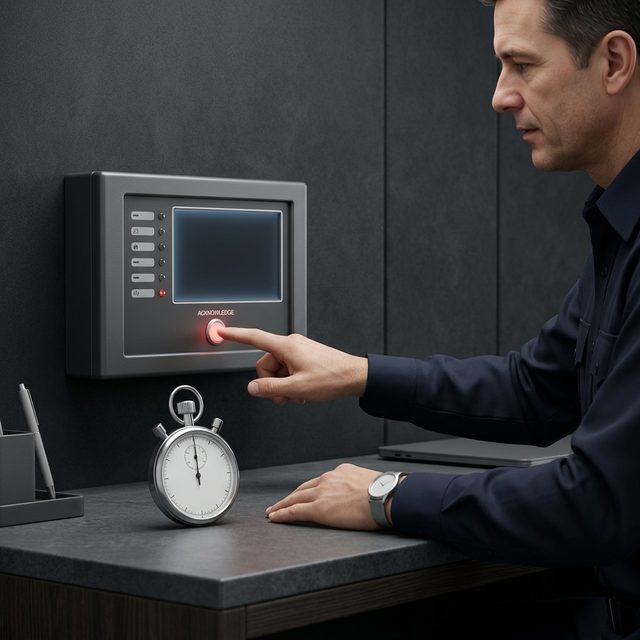 Positive alarm sequence: 15 seconds to acknowledge, 180 to investigateChapter 23 — Protected Premises Fire Alarm Systems
Smoke & Heat Detector Technologies
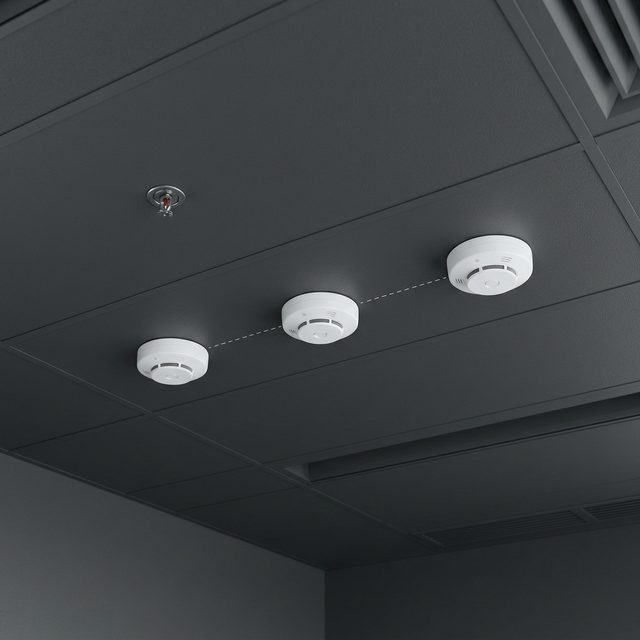 Smooth ceilings: 30 feet between smoke detectors, and nothing farther than 21Chapter 17 — Initiating Devices
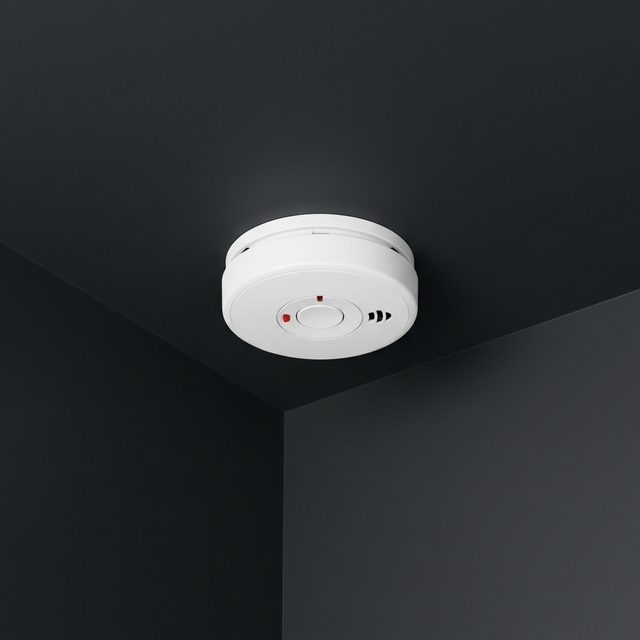 Four inches from the wall — and no dead-air cornersChapter 17 — Initiating Devices
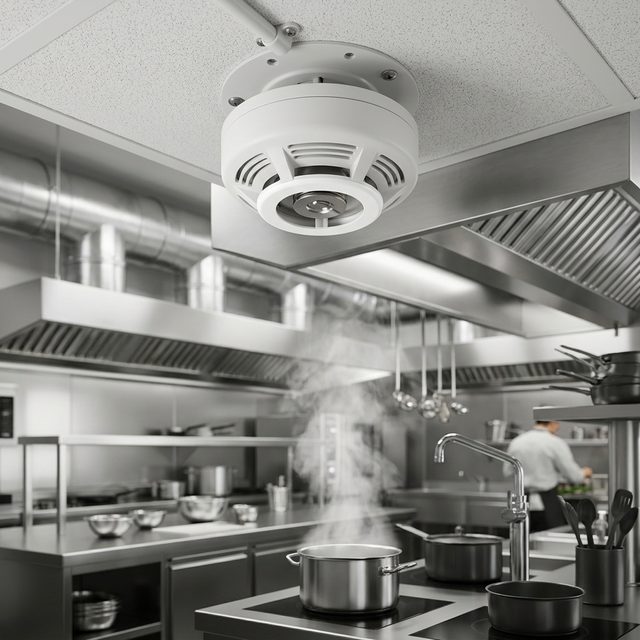 Pick a heat detector at least 20°F above the hottest the room getsChapter 17 — Initiating Devices
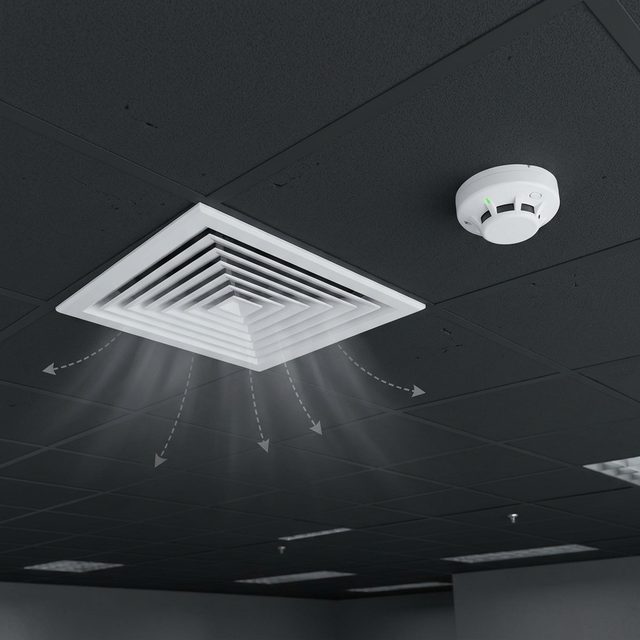 Keep smoke detectors 3 feet from supply diffusersChapter 17 — Initiating Devices
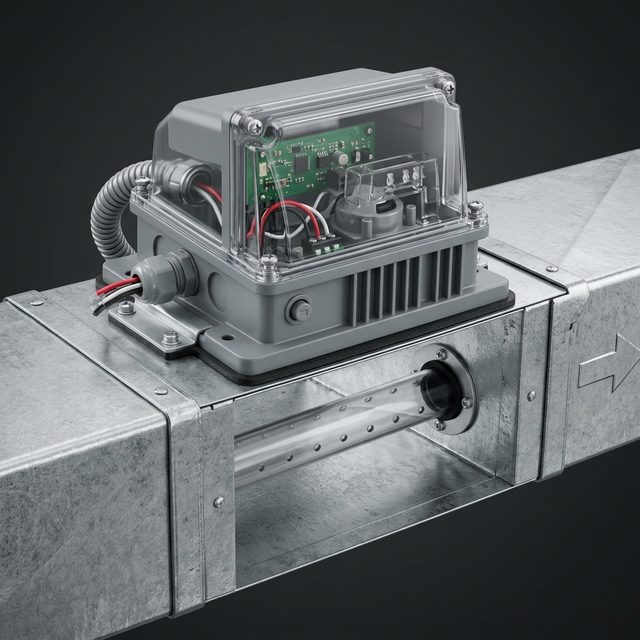 Duct detectors protect the ductwork, not the roomChapter 17 — Initiating Devices / Chapter 21 — Emergency Control Function Interfaces
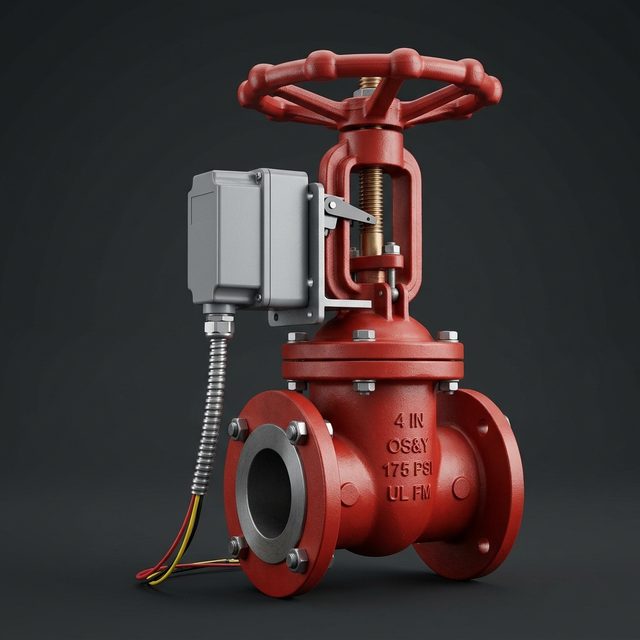 Waterflow alarms within 90 seconds; a valve tamper trips within two turnsChapter 17 — Initiating Devices
Emergency Communication Systems
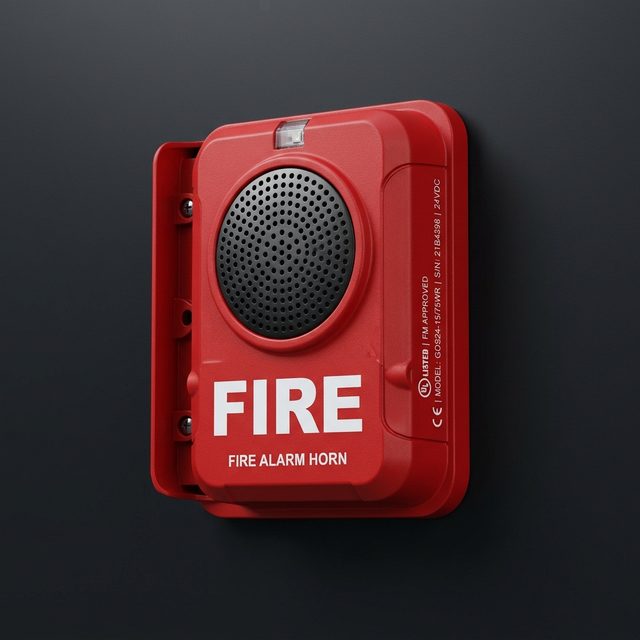 Evacuation sounds like Temporal-3; CO sounds like Temporal-4Chapter 18 — Notification Appliances
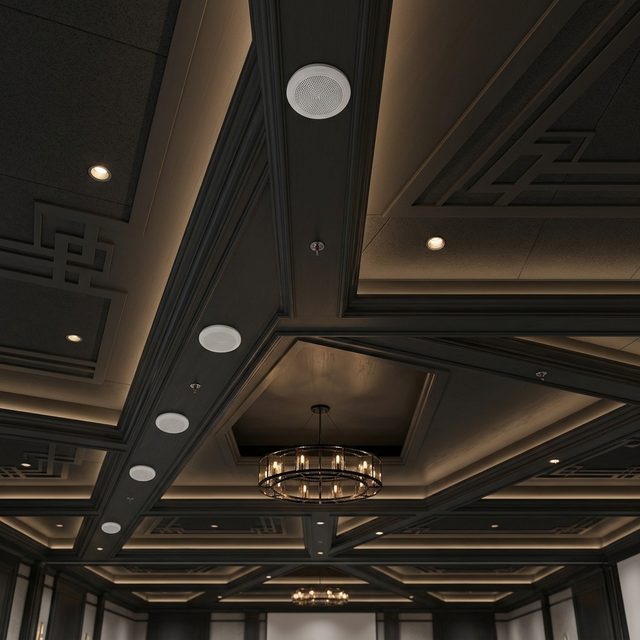 Voice messages must be intelligible, not just loudChapter 18 — Notification Appliances / Chapter 24 — Emergency Communications Systems
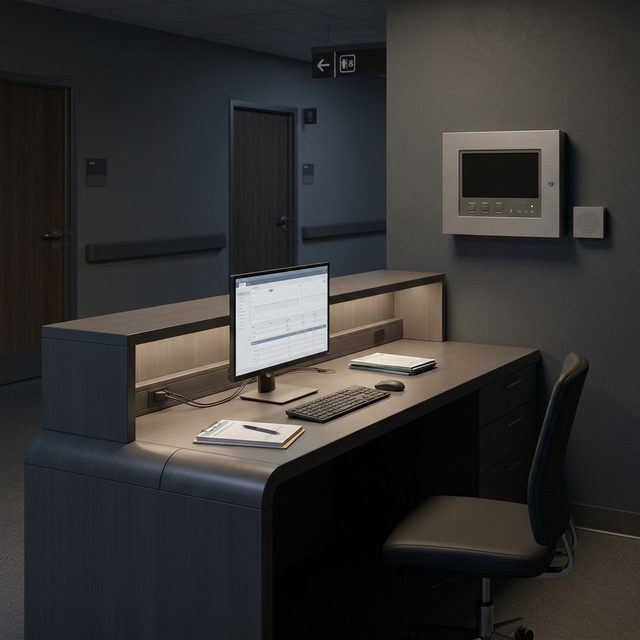 Private mode: alert the staff, not the patientsChapter 18 — Notification Appliances
 More than two strobes in view? They have to flash togetherChapter 18 — Notification Appliances
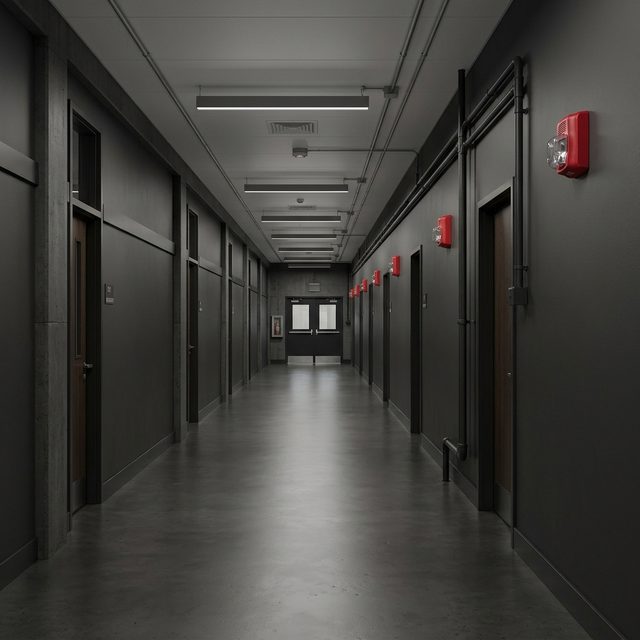 Corridors: 15 cd strobes, 15 feet from the ends, 100 feet apartChapter 18 — Notification Appliances
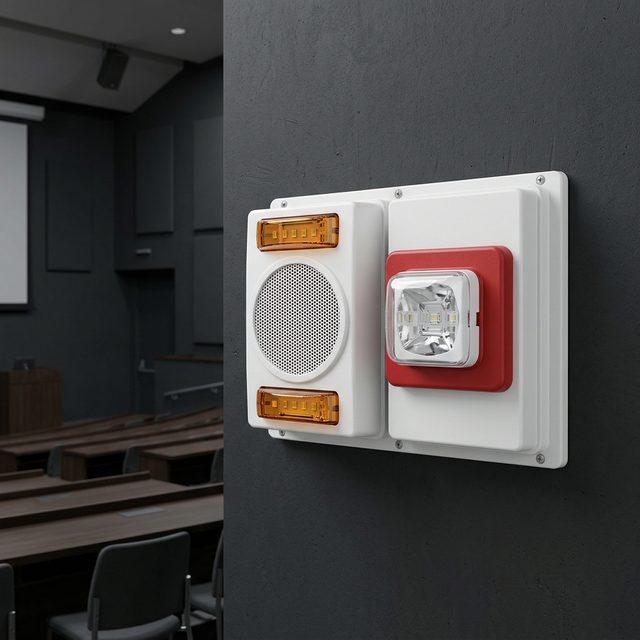 Mass notification can override the fire alarm — if the risk analysis says soChapter 24 — Emergency Communications Systems
Wiring & Circuitry
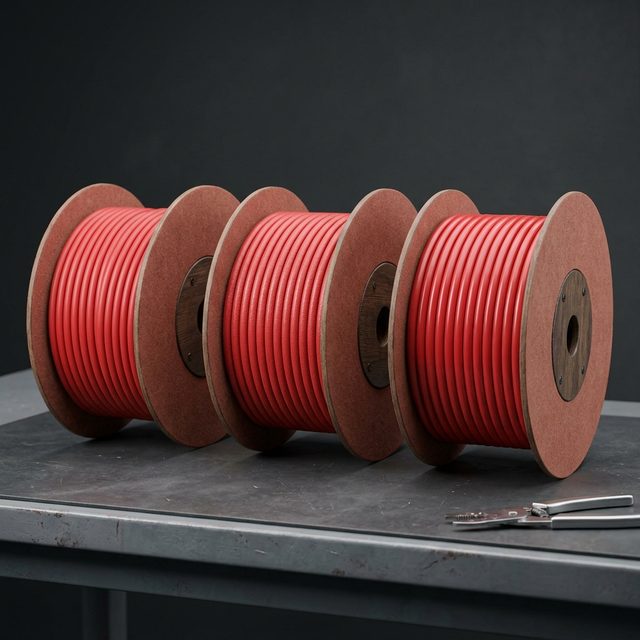 NFPA 72 says how it works; NEC Article 760 says how it's wiredChapter 12 — Circuits and Pathways (and NFPA 70)
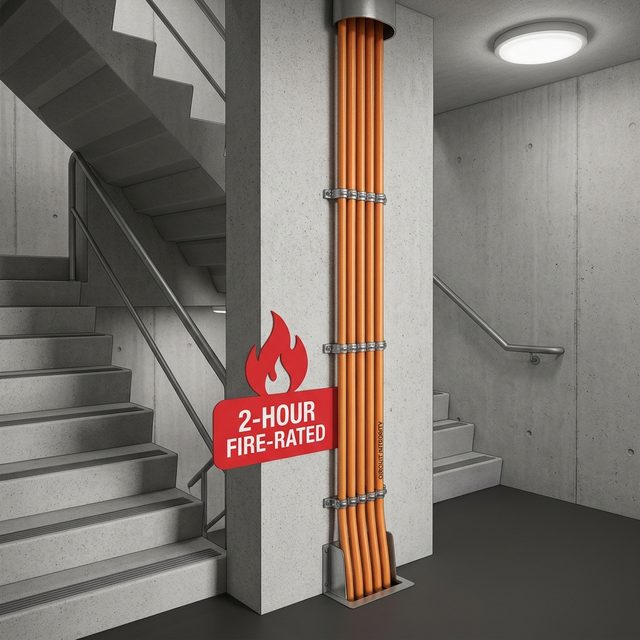 Survivability levels 0-3: how long a circuit keeps working in a fireChapter 12 — Circuits and Pathways / Chapter 24
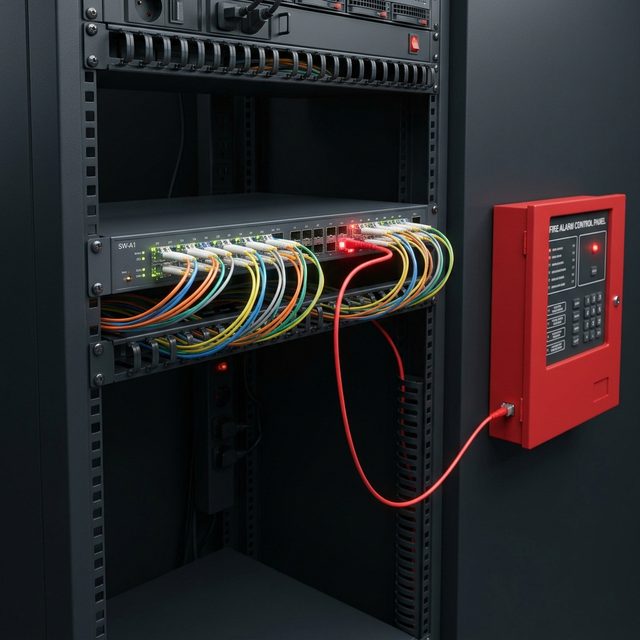 Shared pathways: when fire alarm rides on the building's networkChapter 12 — Circuits and Pathways
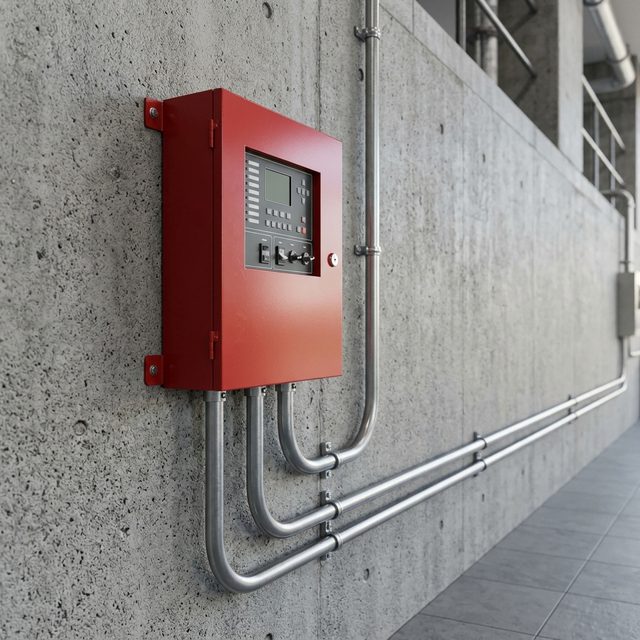 Class A only works if the return isn't in the same conduitChapter 12 — Circuits and Pathways
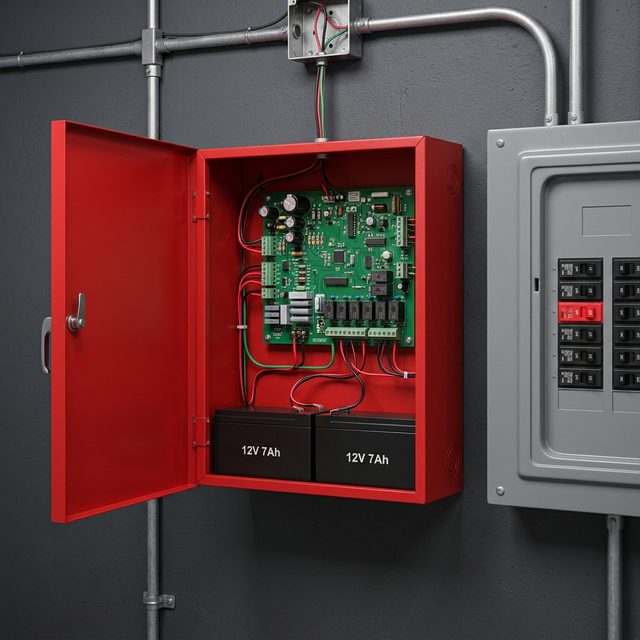 A NAC extender is a control unit: dedicated branch circuit, batteries, supervisionChapter 10 — Fundamentals / Chapter 12
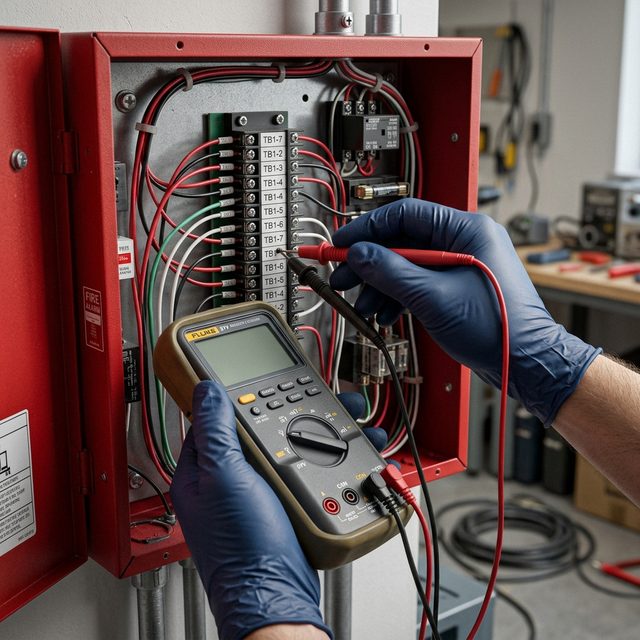 Before the panel is energized, every circuit gets meter-testedChapter 14 — Inspection, Testing, and Maintenance / Chapter 10
System Testing & Maintenance
 The owner owns ITM — and only qualified people may do itChapter 14 — Inspection, Testing, and Maintenance
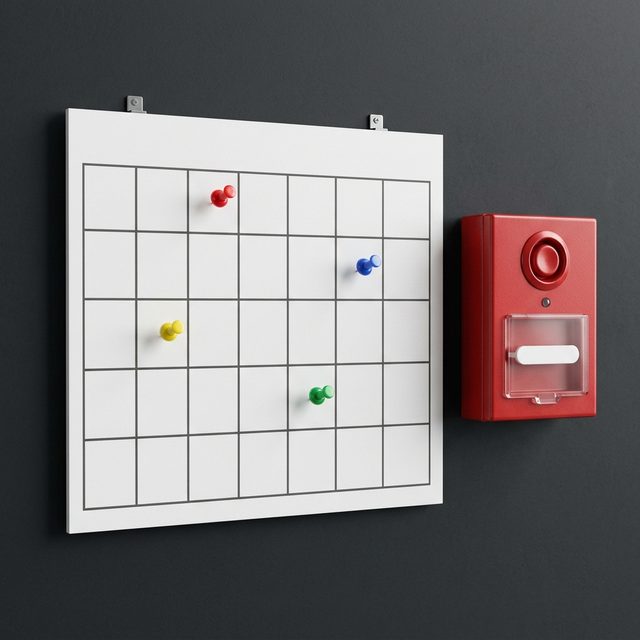 Every component has its own clock: the inspection and test tablesChapter 14 — Inspection, Testing, and Maintenance
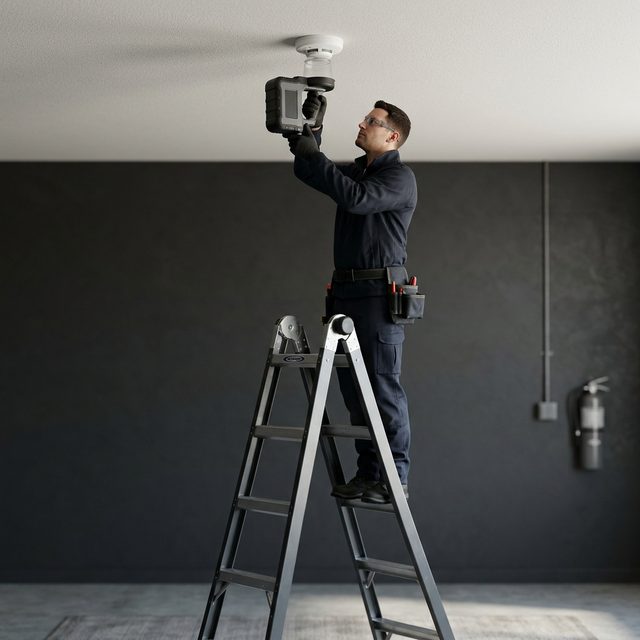 Smoke detector sensitivity: year 1, then every other year — up to 5Chapter 14 — Inspection, Testing, and Maintenance
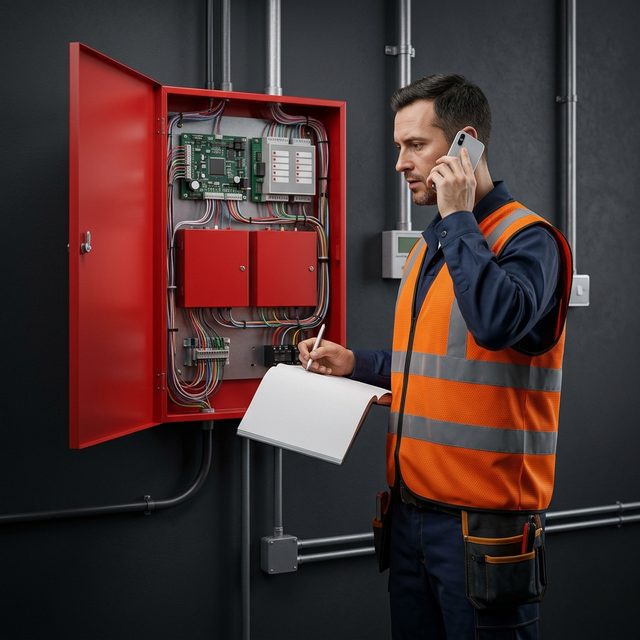 Tell everyone before you test — and put it back in service afterChapter 14 — Inspection, Testing, and Maintenance
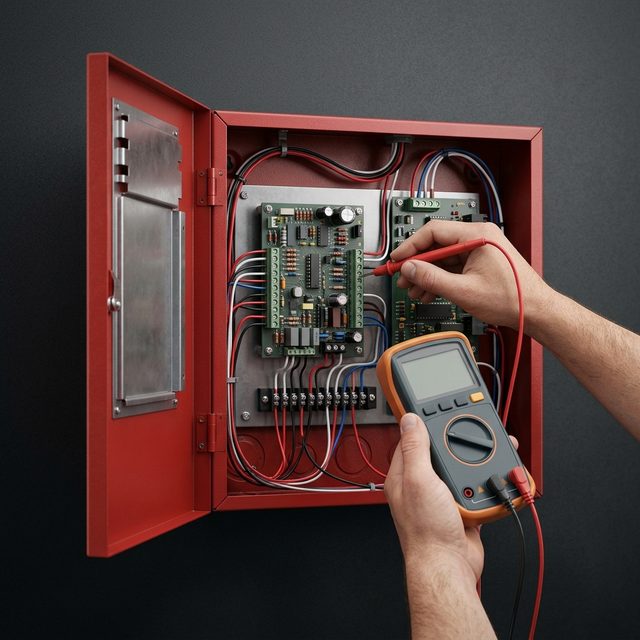 Change the system, retest it — and 10% of what you didn't touchChapter 14 — Inspection, Testing, and Maintenance
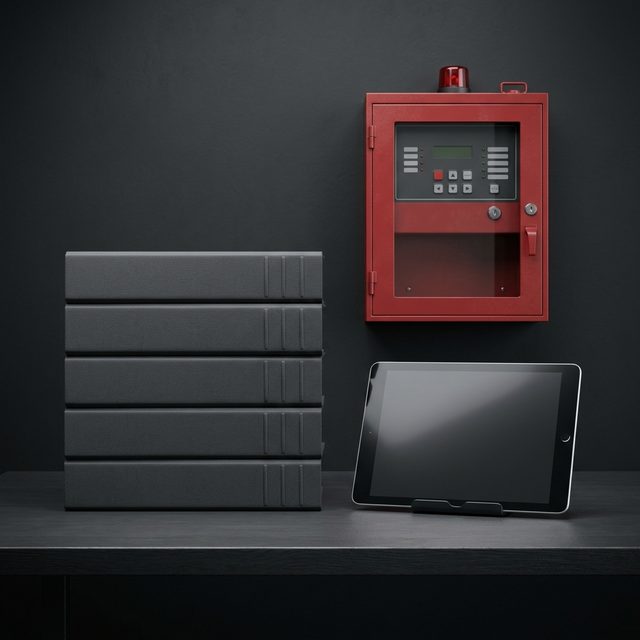 If it isn't written down, it didn't happen: ITM recordsChapter 14 / Chapter 7 — Documentation
Fire Alarm Design Principles
 Design documents first, approval second, installation thirdChapter 7 — Documentation / Chapter 10
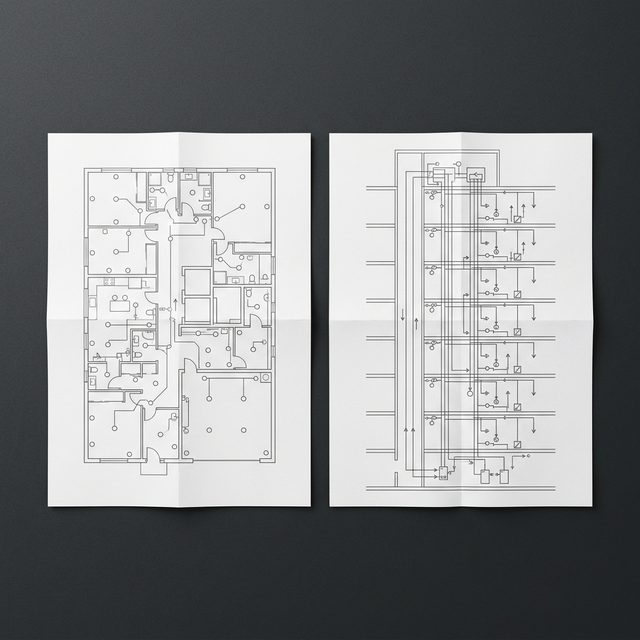 Shop drawings: floor plans, riser, point-to-point, and the mathChapter 7 — Documentation
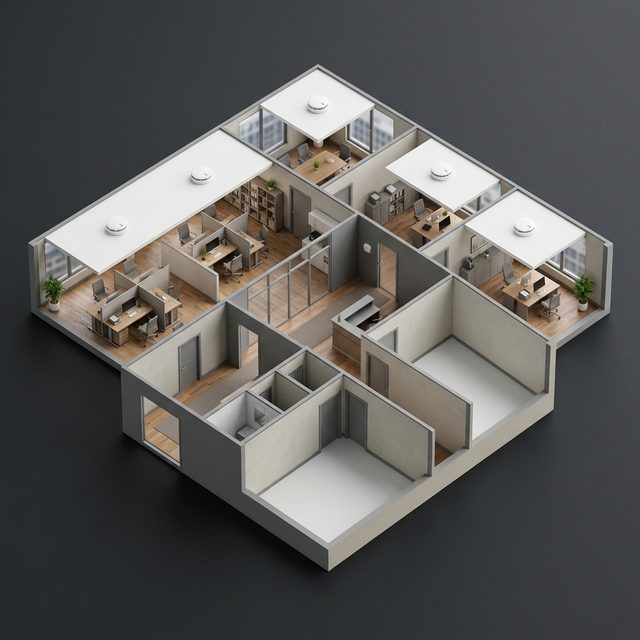 Total, partial, selective, or nonrequired: decide the coverage before placing a detectorChapter 17 — Initiating Devices
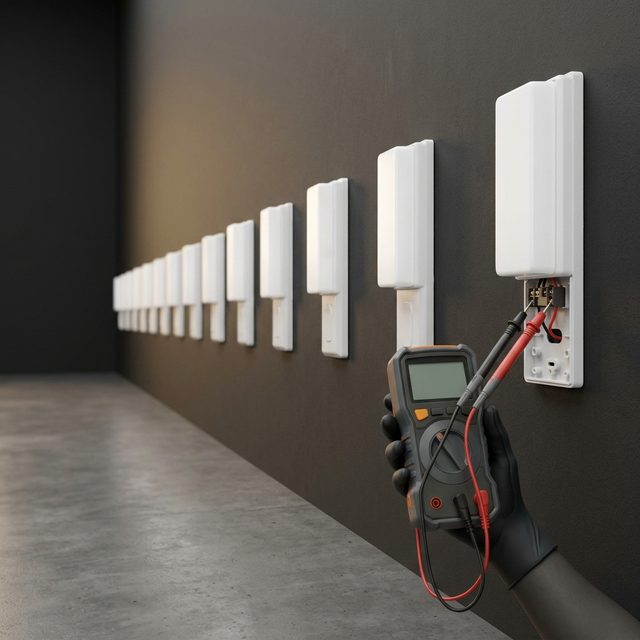 The last strobe on the circuit has to work on dead batteriesChapter 7 / Chapter 18
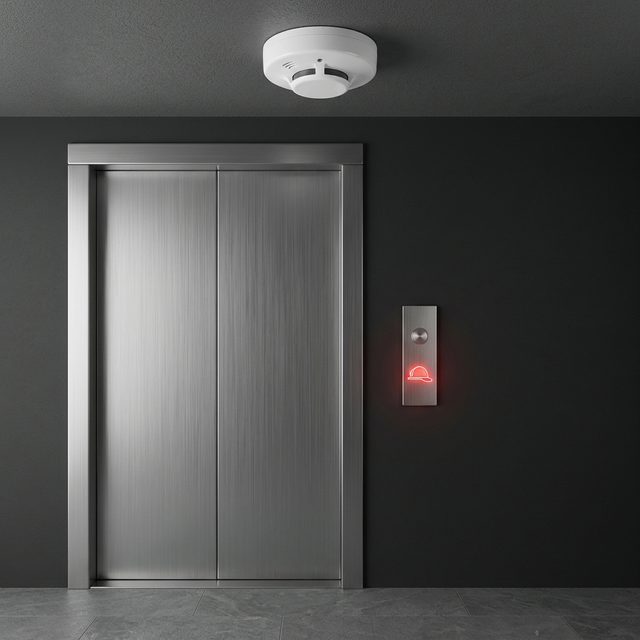 Elevator recall: which detector sends the car whereChapter 21 — Emergency Control Function Interfaces
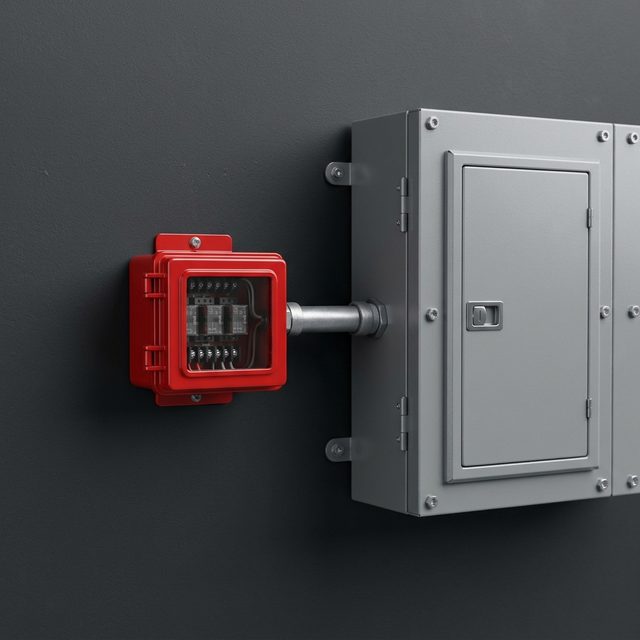 Emergency control relays sit within 3 feet of what they controlChapter 21 — Emergency Control Function Interfaces
Capstone: Design, Explain & Defend
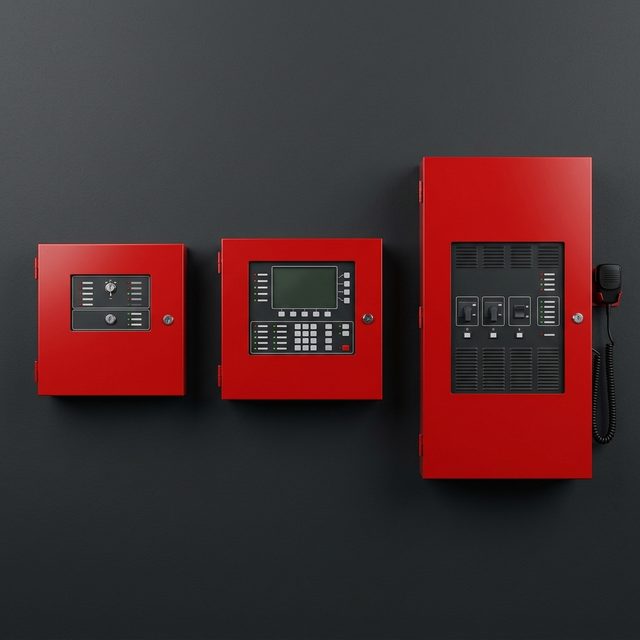 Name the system type before you defend the designChapter 23 — Protected Premises Fire Alarm Systems
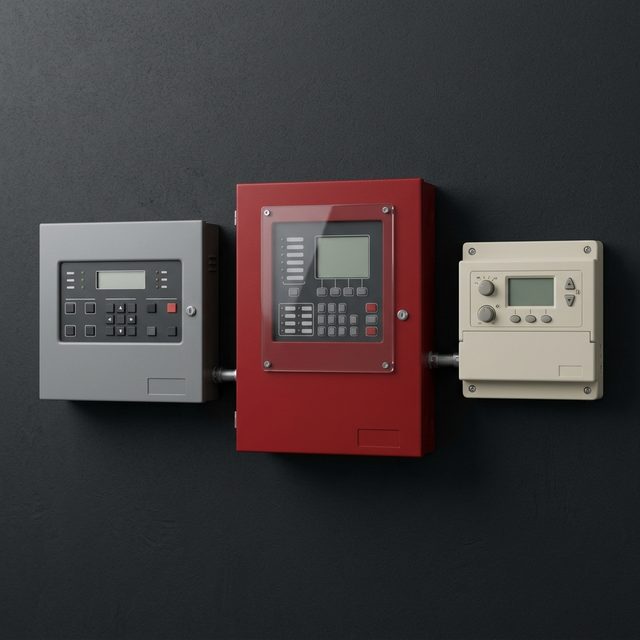 Sharing a panel with security or HVAC? Fire wins, alwaysChapter 23 — Protected Premises Fire Alarm Systems
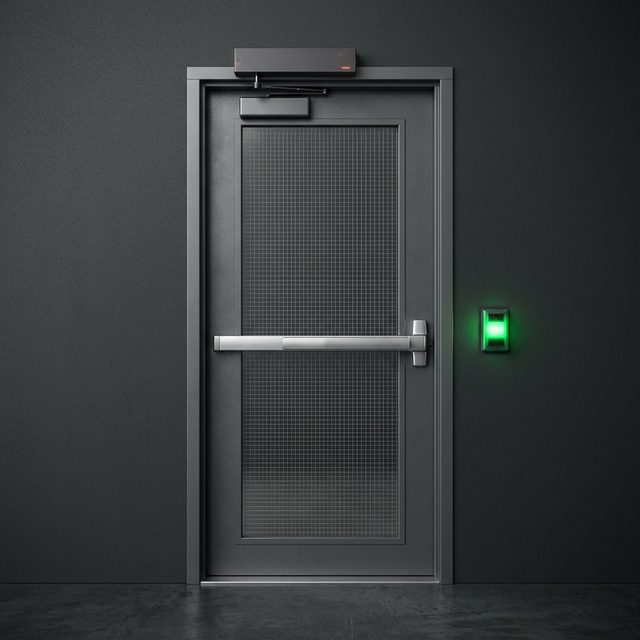 Locked egress doors unlock on fire alarm — fail safe, not fail secureChapter 21 — Emergency Control Function Interfaces
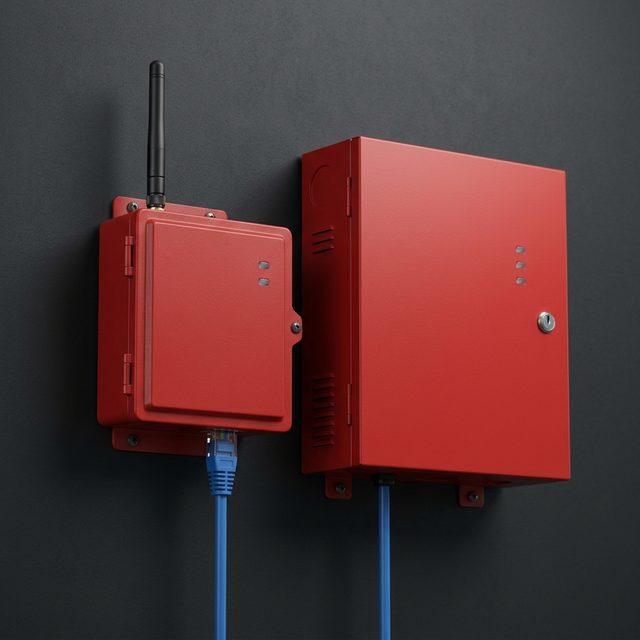 Getting the signal out: single path, 60 minutes; two paths, 6 hoursChapter 26 — Supervising Station Alarm Systems
 Acceptance: 100 percent of everything, row by row through the matrixChapter 14 / Chapter 7
 The handoff package: as-builts, software, manuals, and the owner's dutiesChapter 7 — Documentation
Devices & Signal Flow: How the Panel Hears and Speaks
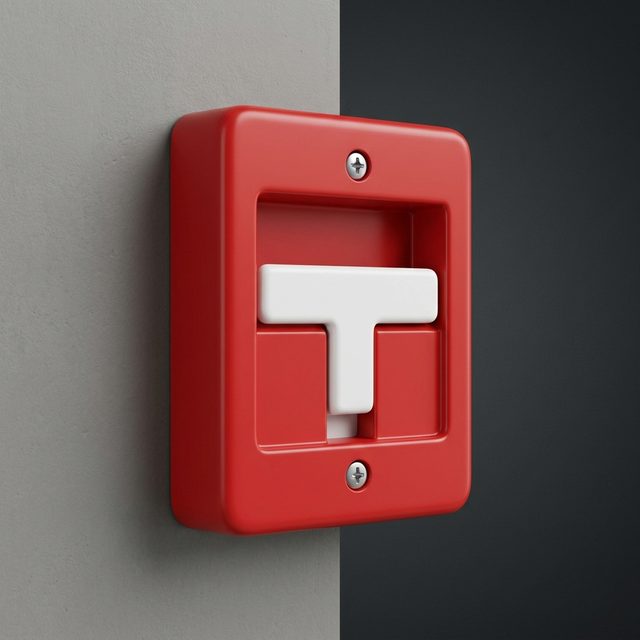 Manual fire alarm box (pull station): a person's hand becomes an alarm signalChapter 17 — Initiating Devices / Chapter 23
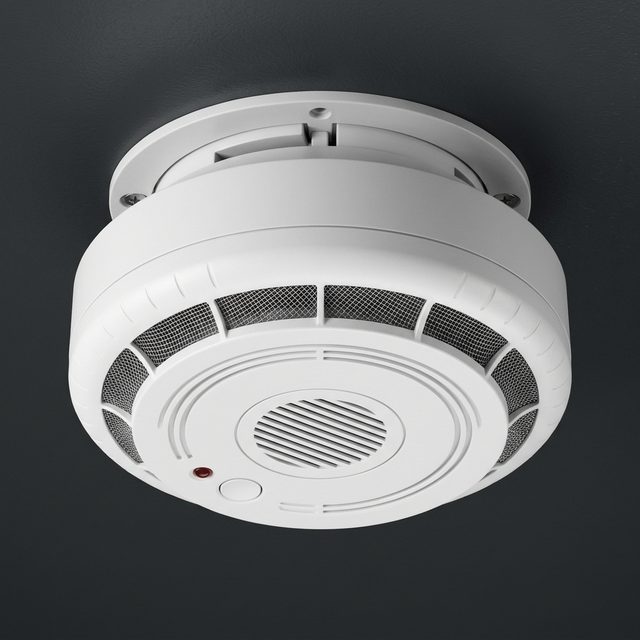 Smoke detector: it decides there's smoke, then the panel decides what to doChapter 17 — Initiating Devices / Chapter 23
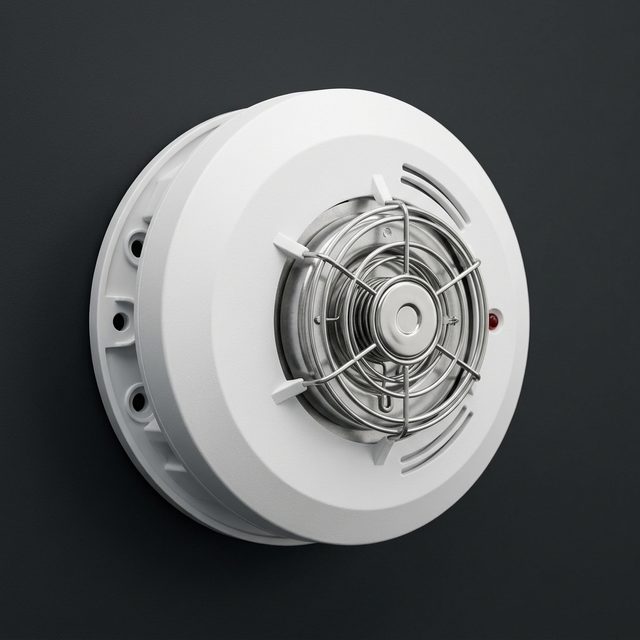 Heat detector: slower than smoke, but almost never wrongChapter 17 — Initiating Devices
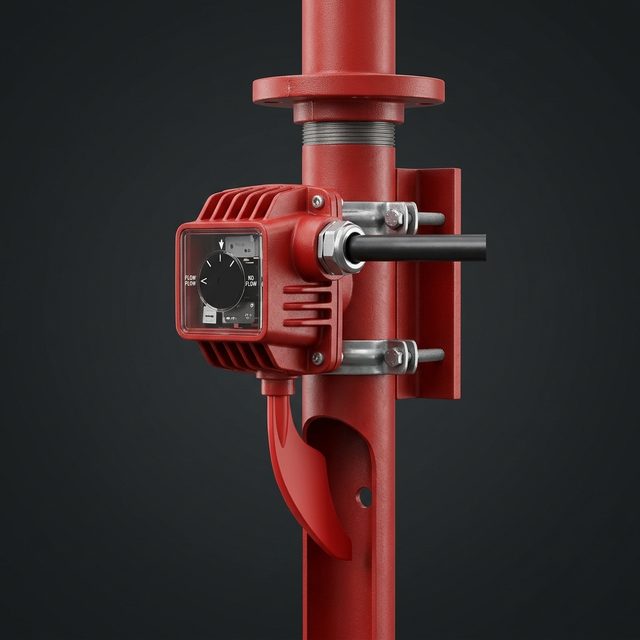 Waterflow switch: the sprinkler system reporting that it is fighting a fireChapter 17 — Initiating DevicesValve tamper switch: a warning, not an alarmChapter 17 — Initiating Devices / Chapter 10Duct smoke detector: tells the panel to stop the fansChapter 17 — Initiating Devices / Chapter 21Horn (audible appliance): the panel's voice when there is no voice systemChapter 18 — Notification Appliances / Chapter 10
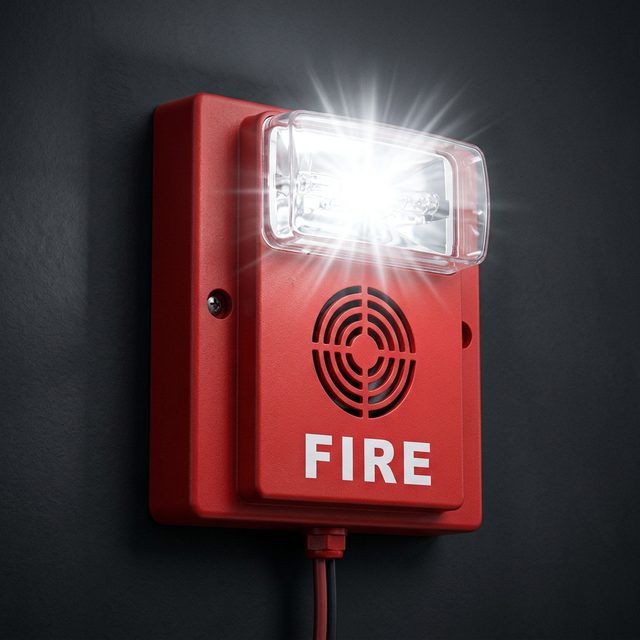 Strobe (visible appliance): the alarm for people who can't hear itChapter 18 — Notification Appliances
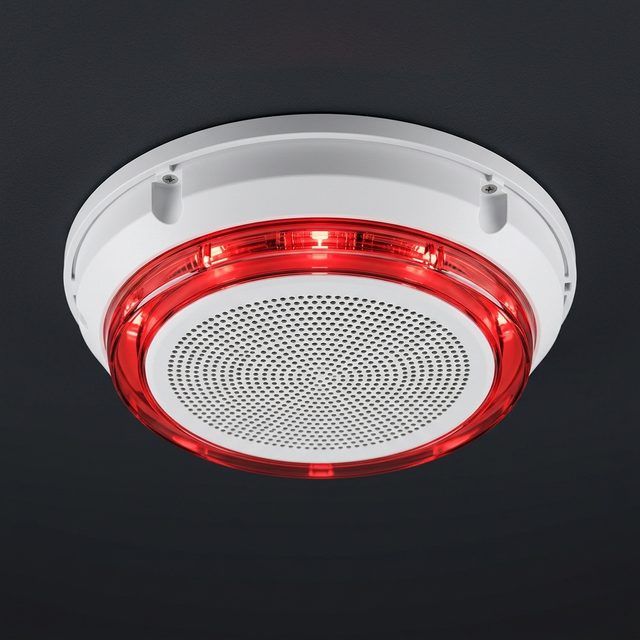 Speaker (voice evacuation): the panel tells people what to do, not just that something is wrongChapter 24 — Emergency Communications Systems
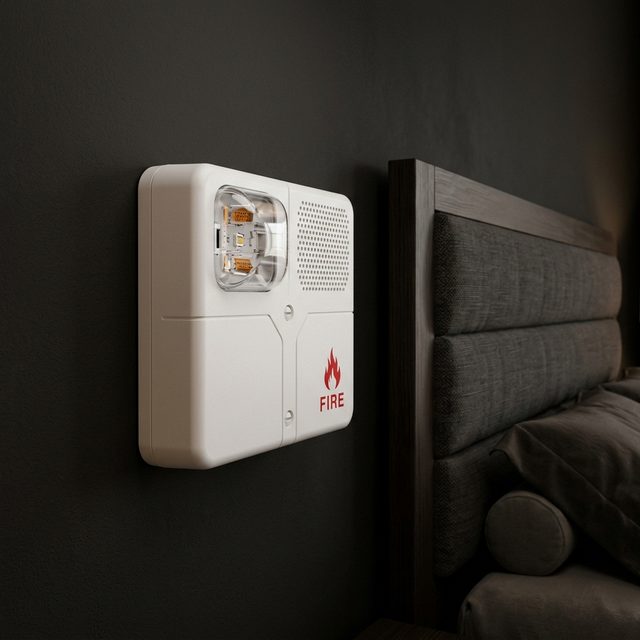 Low-frequency sounder: the alarm that wakes people upChapter 18 — Notification Appliances
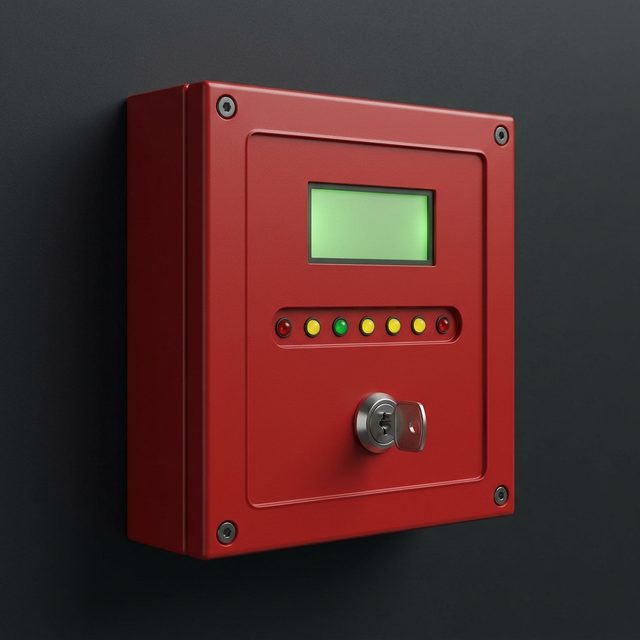 Remote annunciator: the panel telling responders where to goChapter 10 — Fundamentals
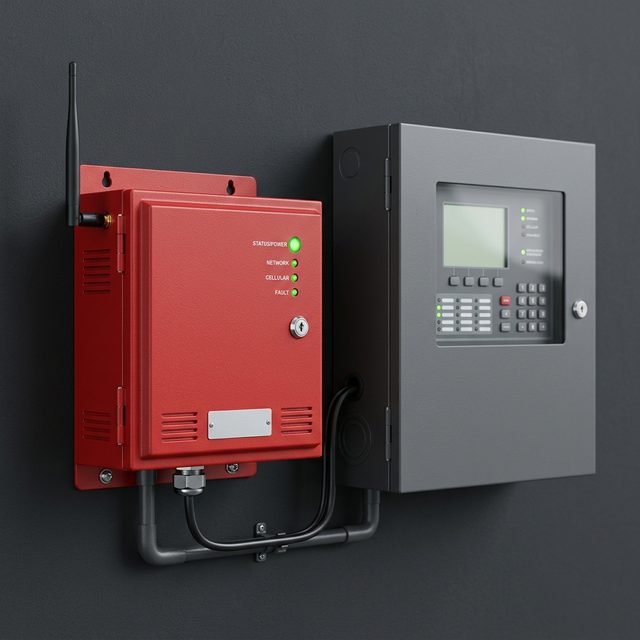 Communicator: the panel alerting the people who dispatch the fire departmentChapter 26 — Supervising Station Alarm Systems
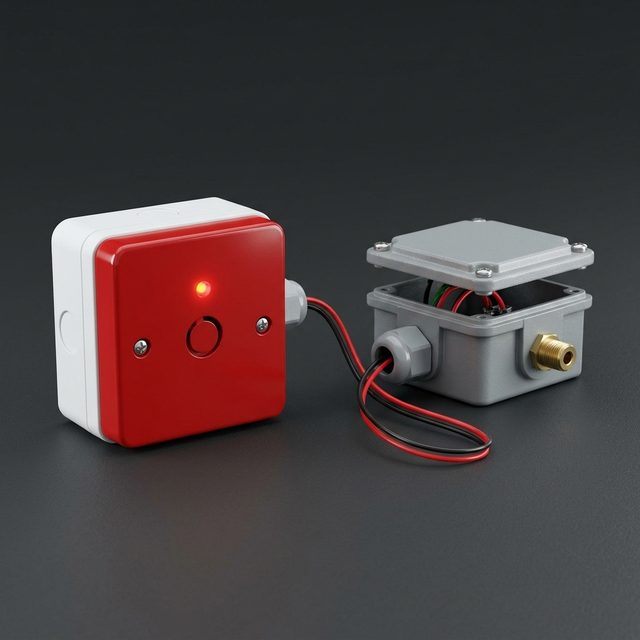 Monitor module: gives a plain switch a voice on the systemChapter 12 — Circuits and Pathways / Chapter 17 / Chapter 23
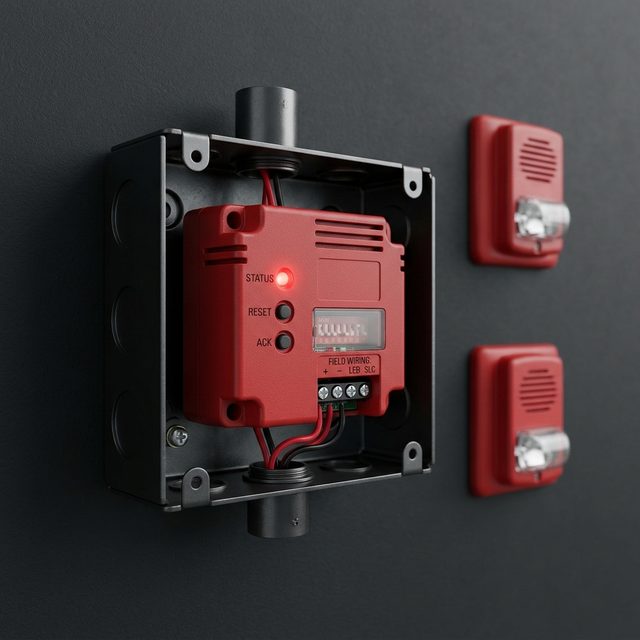 Control module: a supervised output the panel can trustChapter 12 / Chapter 18 / Chapter 23
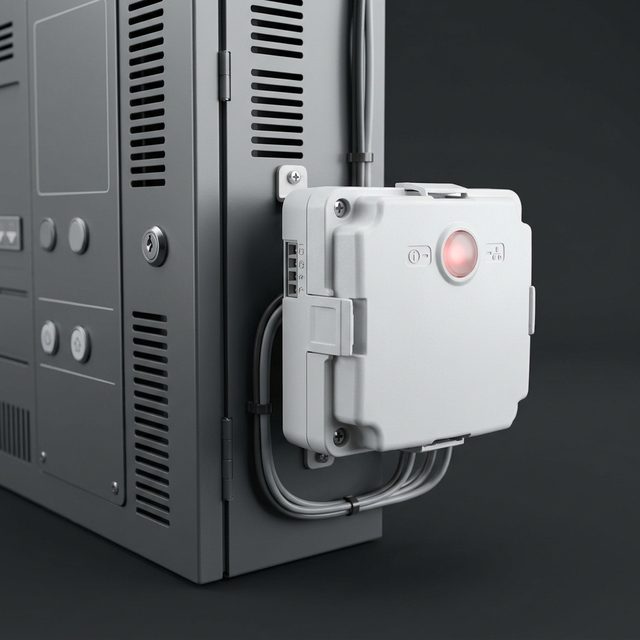 Relay module: a dry contact the panel uses to run someone else's equipmentChapter 21 — Emergency Control Function Interfaces
Installation Guidelines
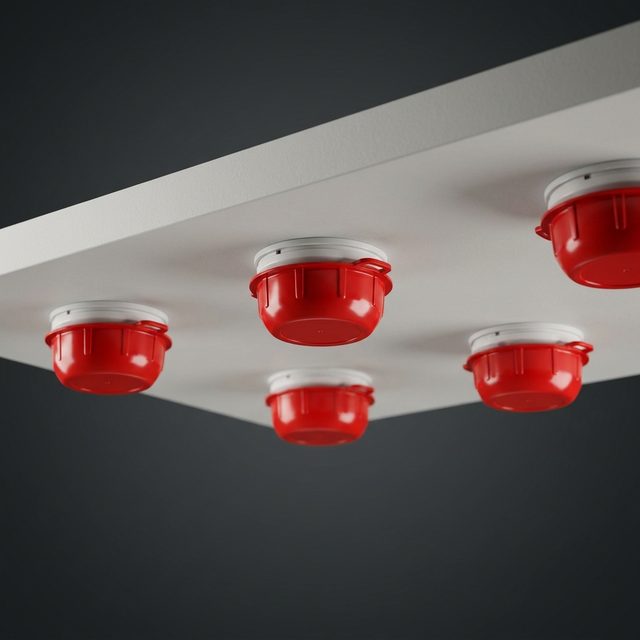 Smoke detectors go in last — after every other trade has cleaned upChapter 17 — Initiating Devices
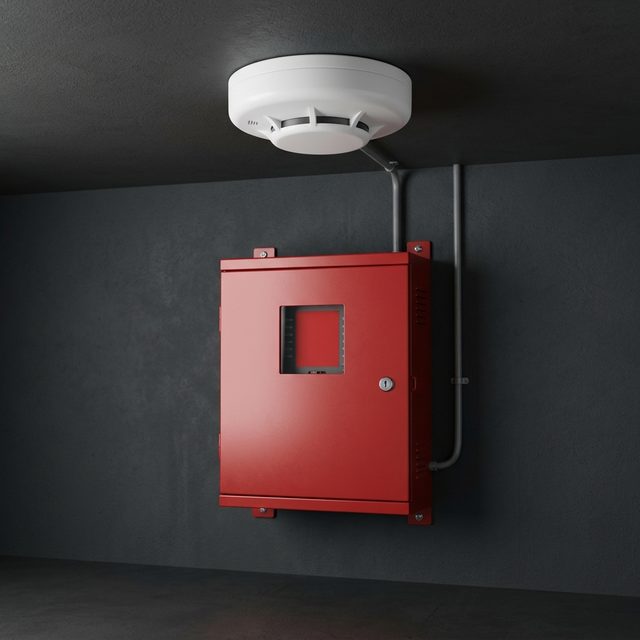 Protect the panel: a smoke detector at every control unitChapter 10 — Fundamentals
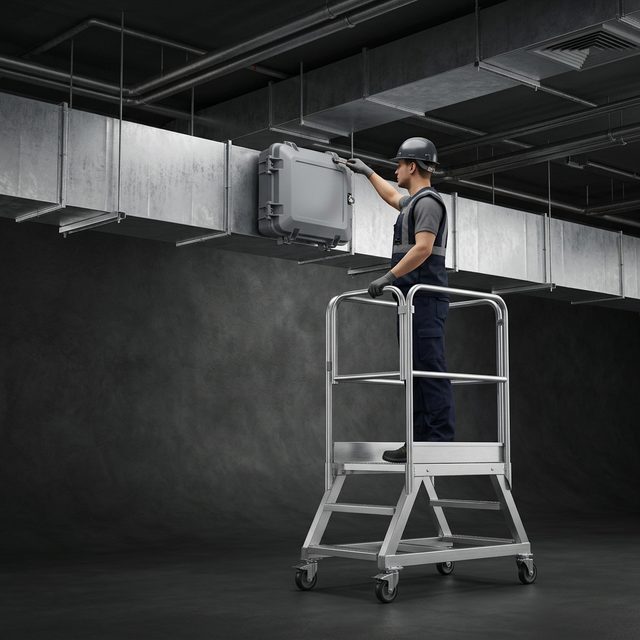 Install devices where a tech can reach them — and where they'll surviveChapter 17 — Initiating Devices
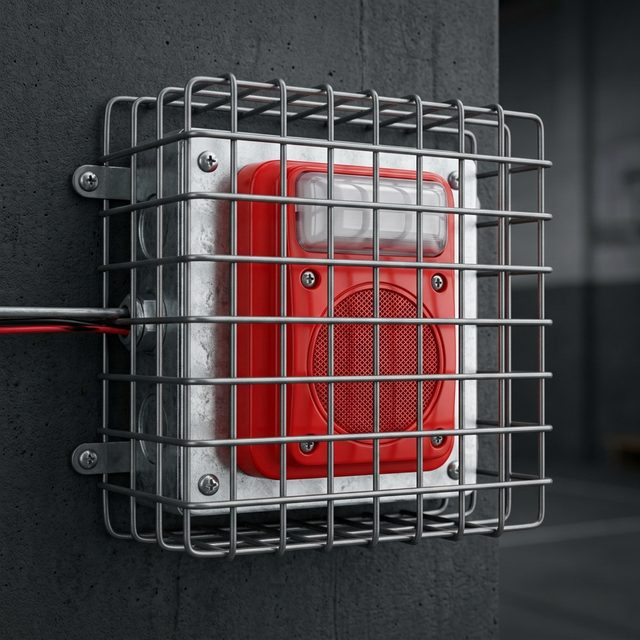 Appliances hang from the box, not the wires — and guards must be listedChapter 18 — Notification Appliances
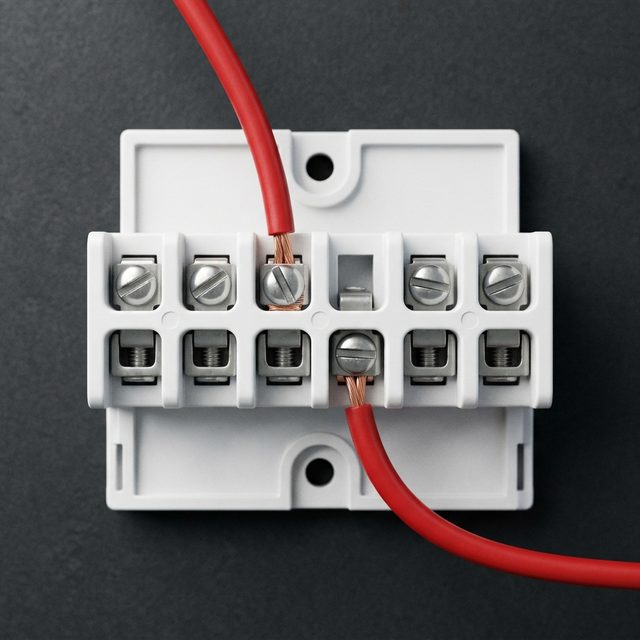 In on one terminal, out on another: how supervision really worksChapter 12 — Circuits and Pathways / Chapter 23
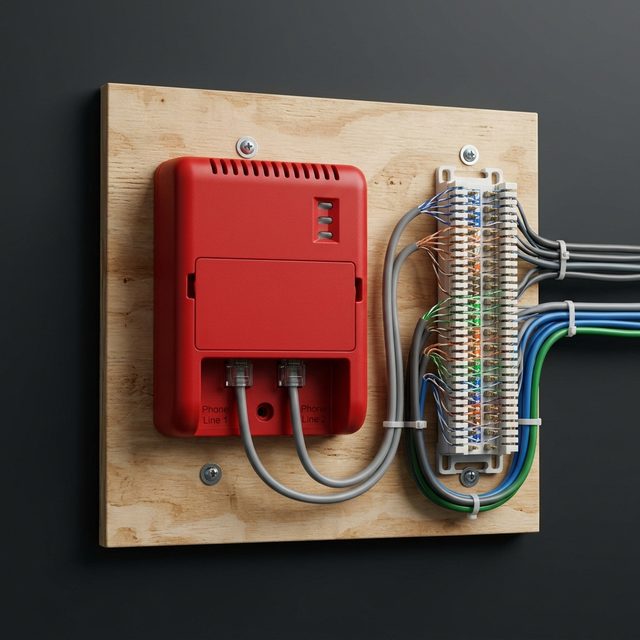 A DACT seizes the line — install it ahead of every phone in the buildingChapter 26 — Supervising Station Alarm Systems
Fire Alarm Control Panels
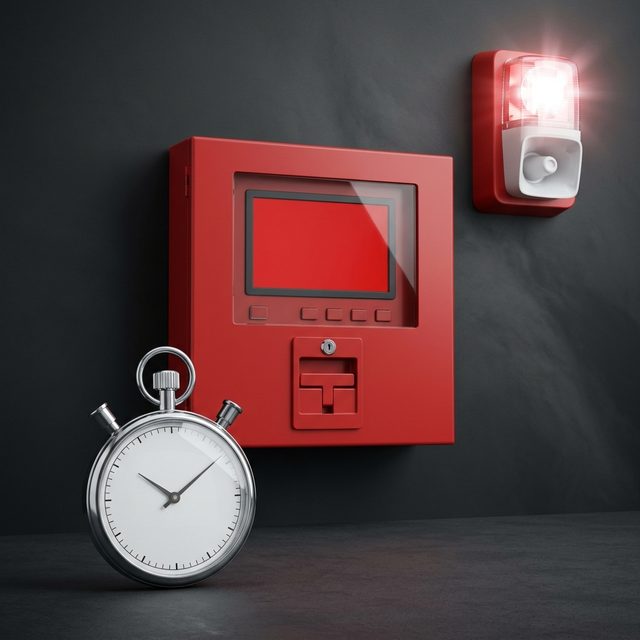 Ten seconds from device to hornsChapter 10 — Fundamentals
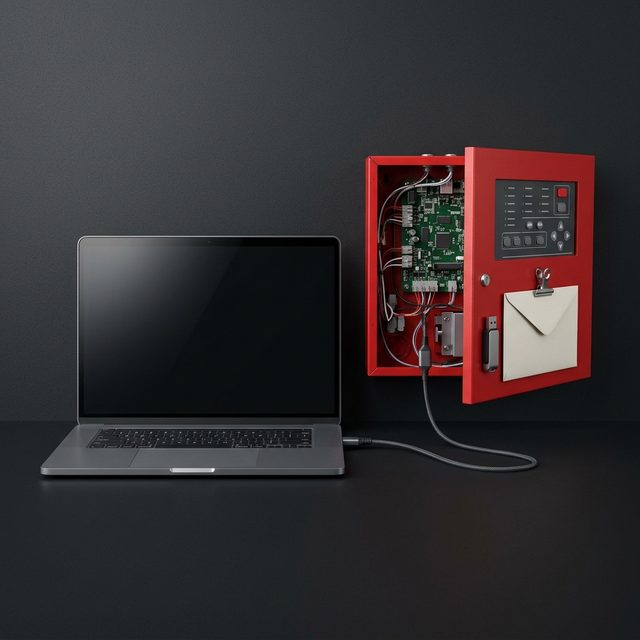 Keep the program: site-specific software records at the panelChapter 23 — Protected Premises Fire Alarm Systems
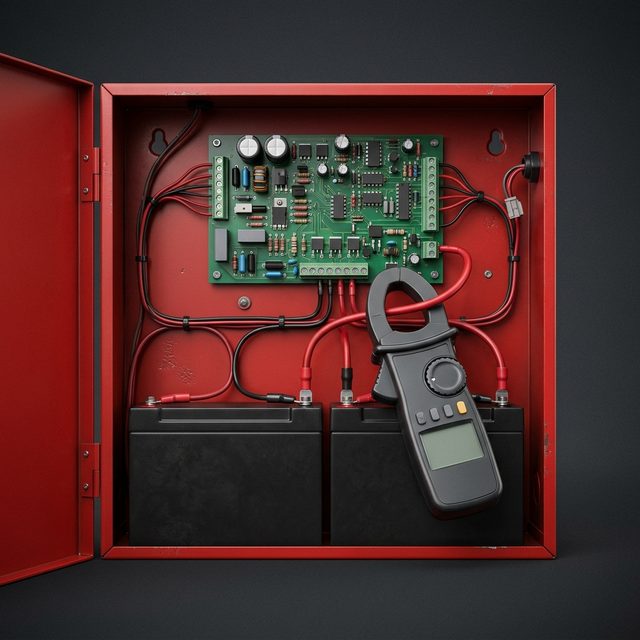 Chargers: 70 percent in 12 hours, full in 48Chapter 10 — Fundamentals
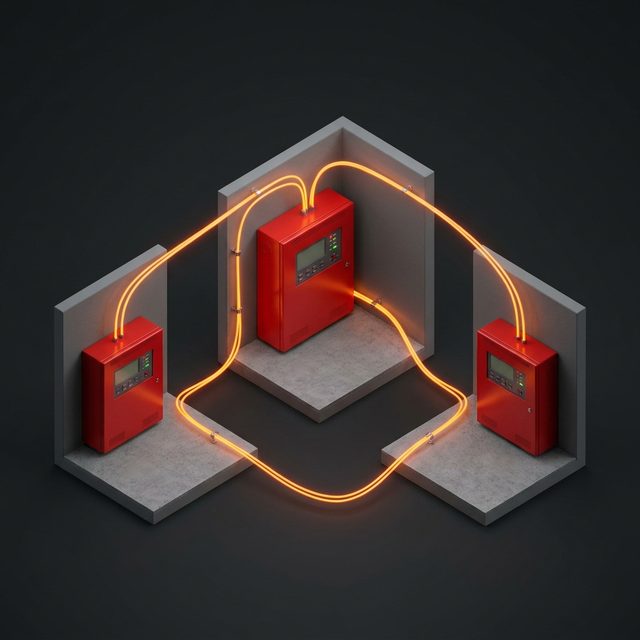 Networked panels: every trouble shows everywhere it needs toChapter 23 — Protected Premises Fire Alarm Systems
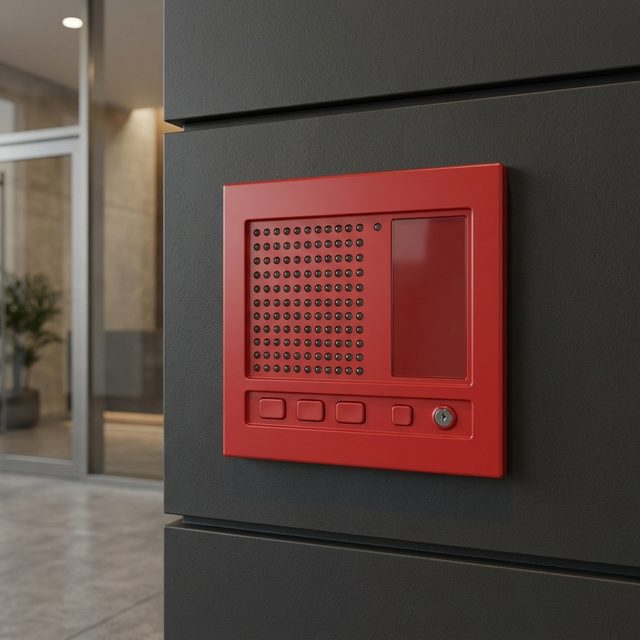 Annunciation: responders need to know where, in a place they can reachChapter 10 — Fundamentals
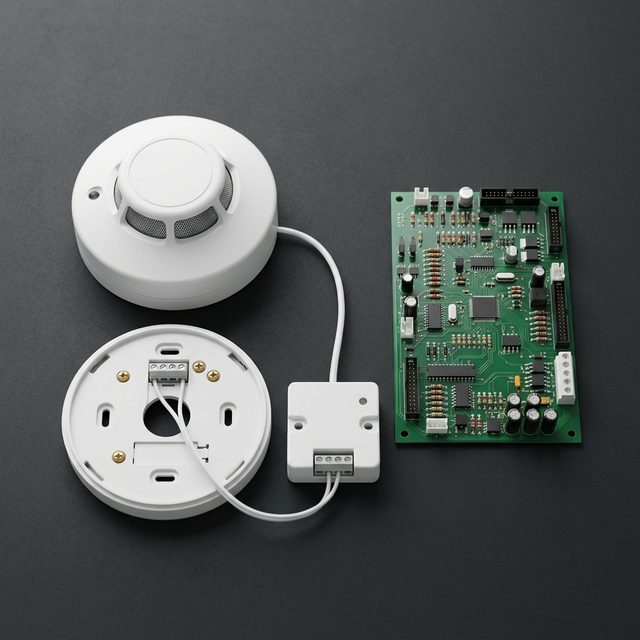 Listed together: detectors, bases, modules and the panel that drives themChapter 10 — Fundamentals
Troubleshooting & Repairs
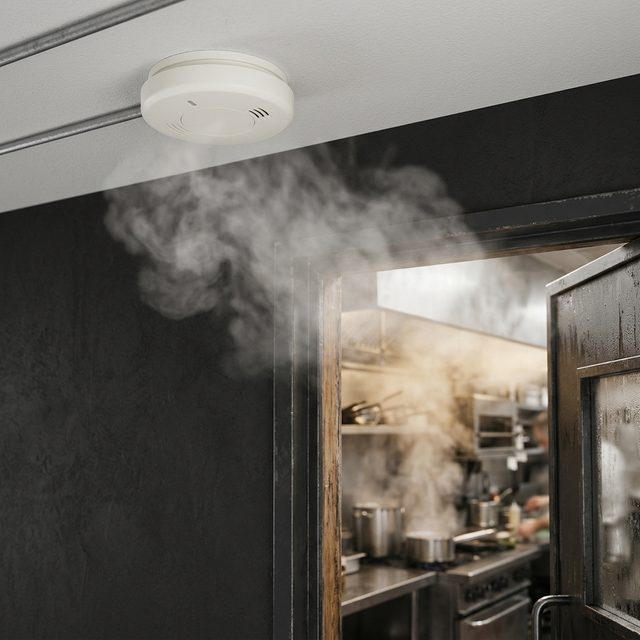 Four kinds of unwanted alarm — and only one is the detector's faultChapter 3 — Definitions
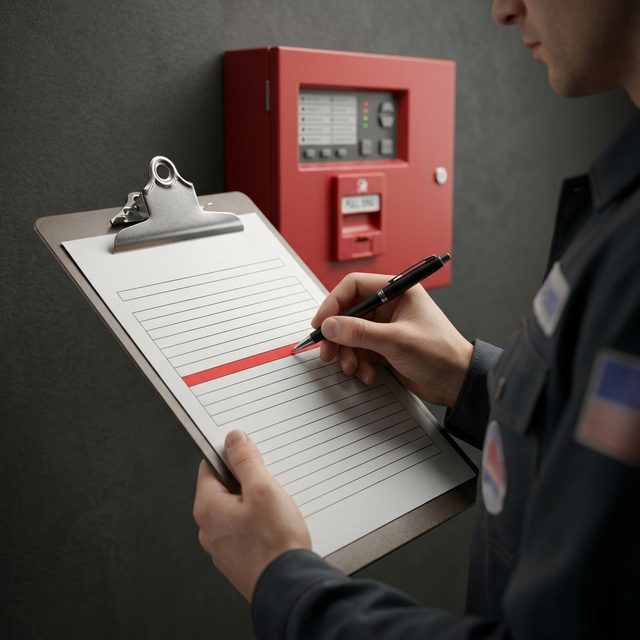 Found a problem? It goes to the owner in writingChapter 14 — Inspection, Testing, and Maintenance
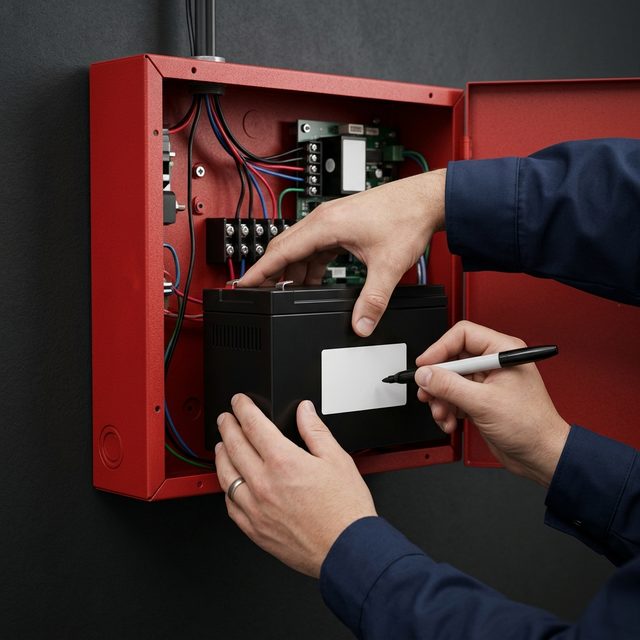 Batteries have a date — and a test schedule — for a reasonChapter 14 / Chapter 10
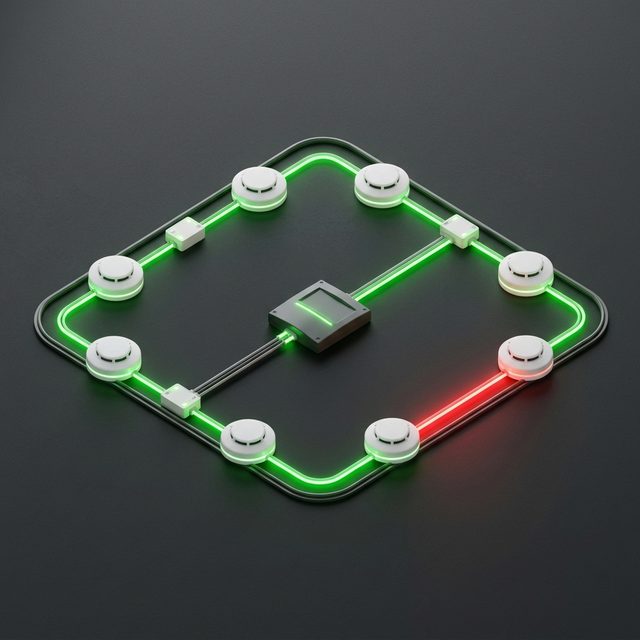 One fault, one zone: how much an SLC short is allowed to take outChapter 23 — Protected Premises Fire Alarm Systems / Chapter 12
 Trouble isn't just a light: the supervising station has duties tooChapter 26 — Supervising Station Alarm Systems
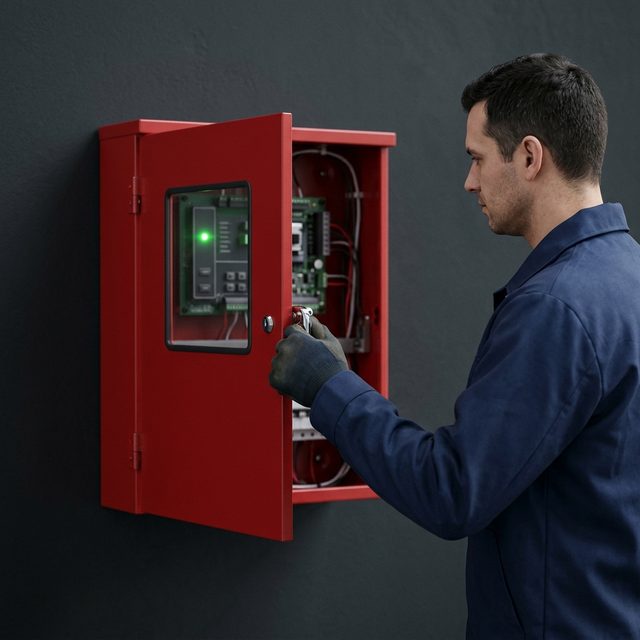 Repaired isn't done until it's retested, restored and recordedChapter 14 — Inspection, Testing, and Maintenance
Case Studies & Incident Reviews
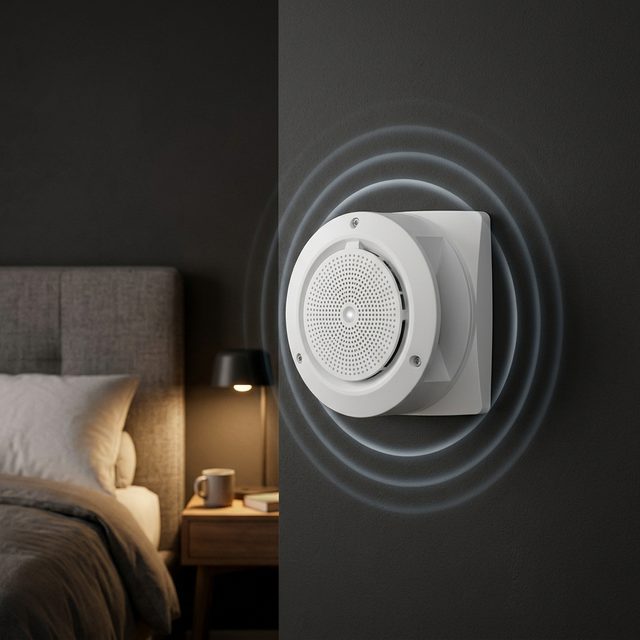 Why sleeping areas need the 520 Hz low-frequency toneChapter 18 — Notification Appliances
 Hearing-impaired guest rooms: 110 candela at the bed, 177 near the ceilingChapter 18 — Notification Appliances
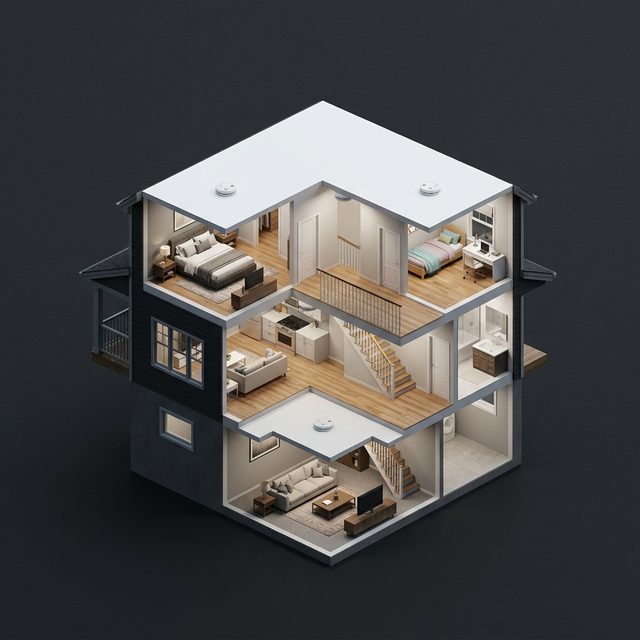 Where smoke alarms go in a home: every sleeping room, outside them, every levelChapter 29 — Single- and Multiple-Station Alarms and Household Fire Alarm Systems
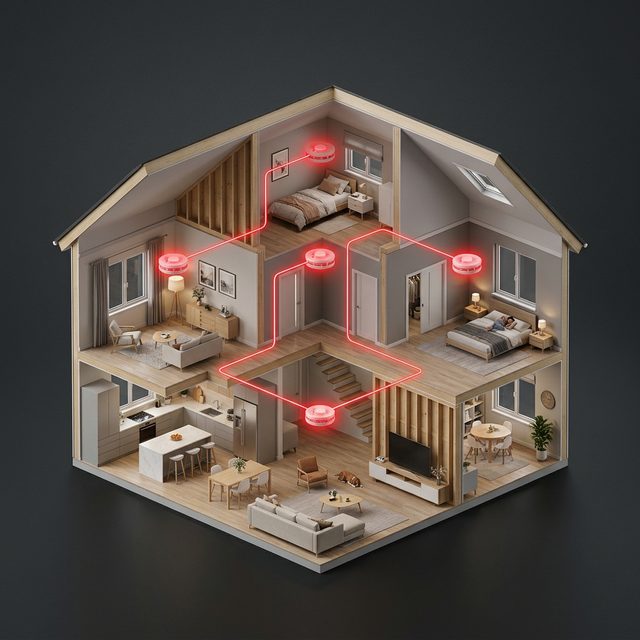 When one smoke alarm sounds, they all soundChapter 29 — Household Fire Alarm Systems
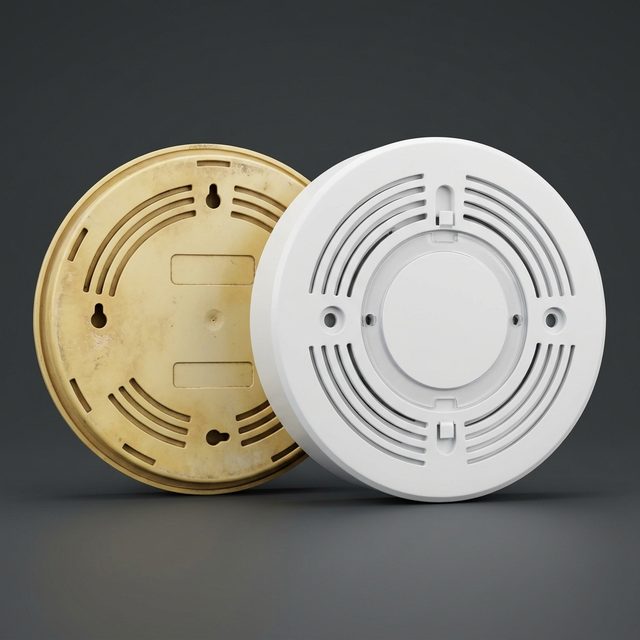 Smoke alarms expire: replace them 10 years from the date of manufactureChapter 29 — Household Fire Alarm Systems
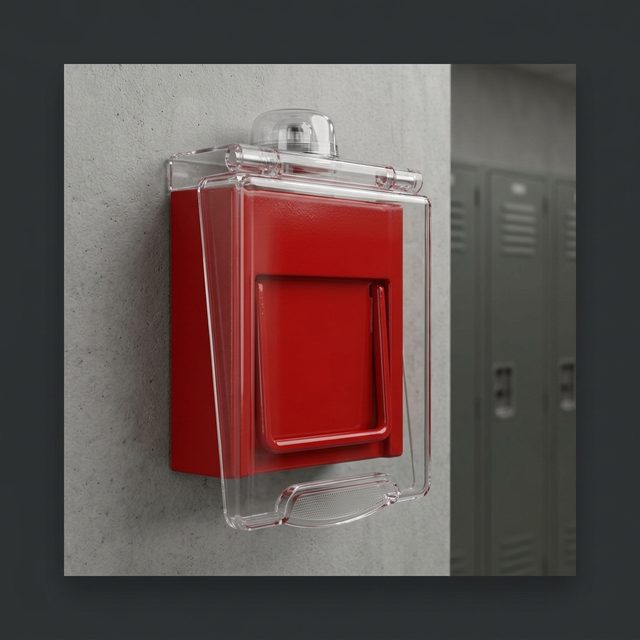 Malicious alarms in schools: listed covers, not disabled stationsChapter 17 — Initiating Devices
Regulatory Compliance & Inspections
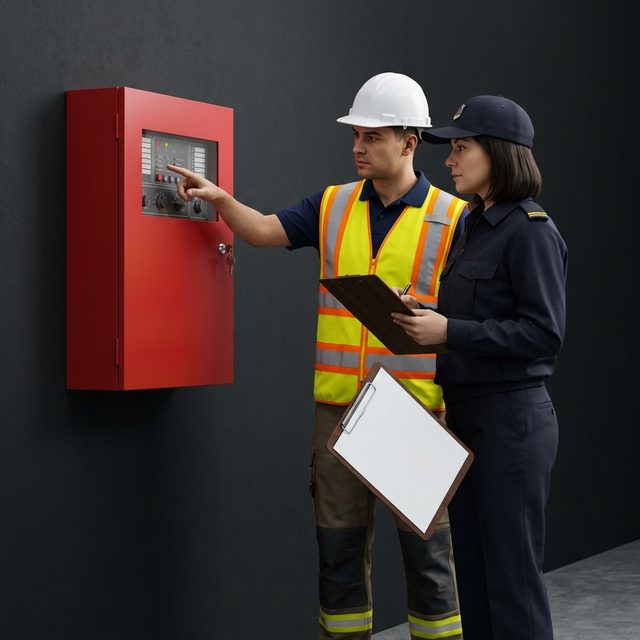 The AHJ: who it is, and why there is often more than oneChapter 3 — Definitions
 The documentation cabinet: everything the inspector asks for, in one placeChapter 7 — Documentation
 Prove the monitoring: certificate or placard at the panelChapter 26 — Supervising Station Alarm Systems
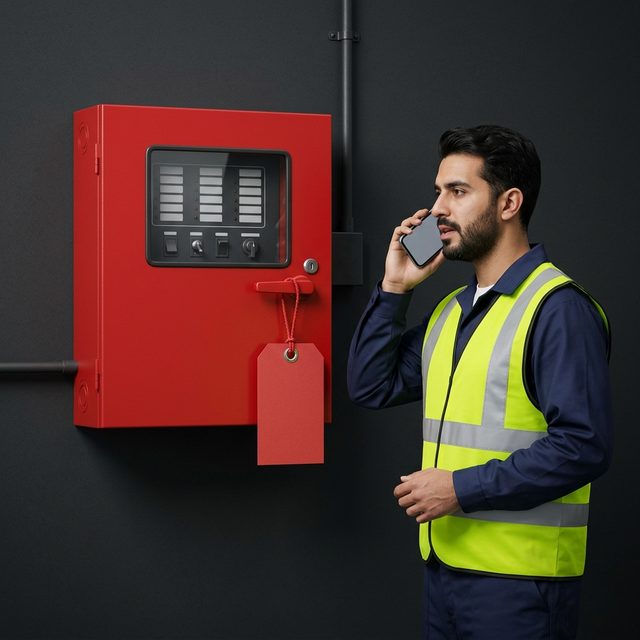 Impaired system? Notify, mitigate, tag, and fix on a clockChapter 10 — Fundamentals / Chapter 26
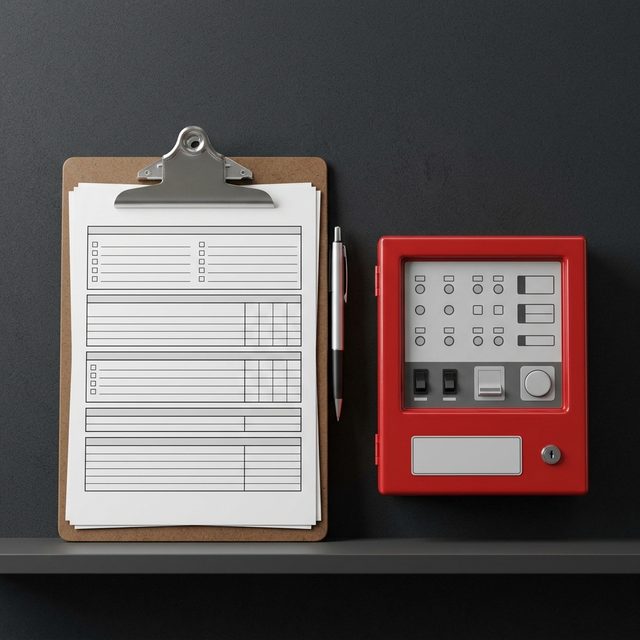 Use the code's forms: Record of Completion and Inspection & TestingChapter 7 — Documentation
 Comply with the edition the jurisdiction adopted — amendments includedChapter 1 — Administration
Fire Alarm System Integration
 Magnetic door holders release on alarm — and on power lossChapter 21 — Emergency Control Function Interfaces
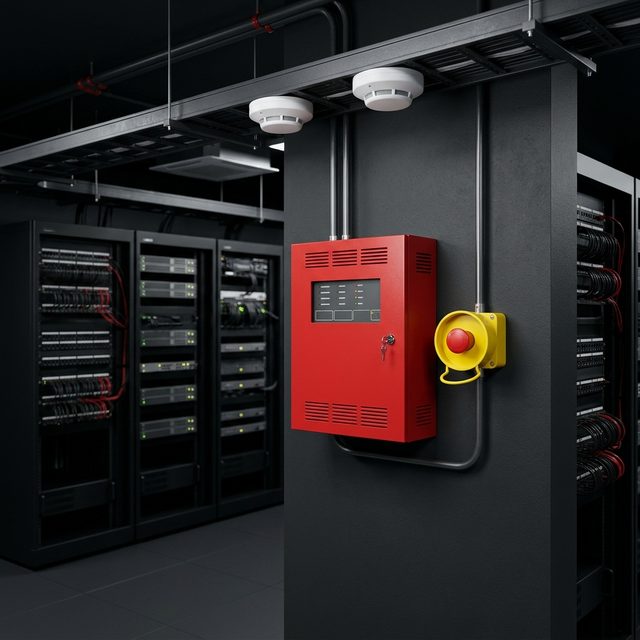 Releasing panels: two detectors, an abort switch, and no shortcutsChapter 23 — Protected Premises Fire Alarm Systems
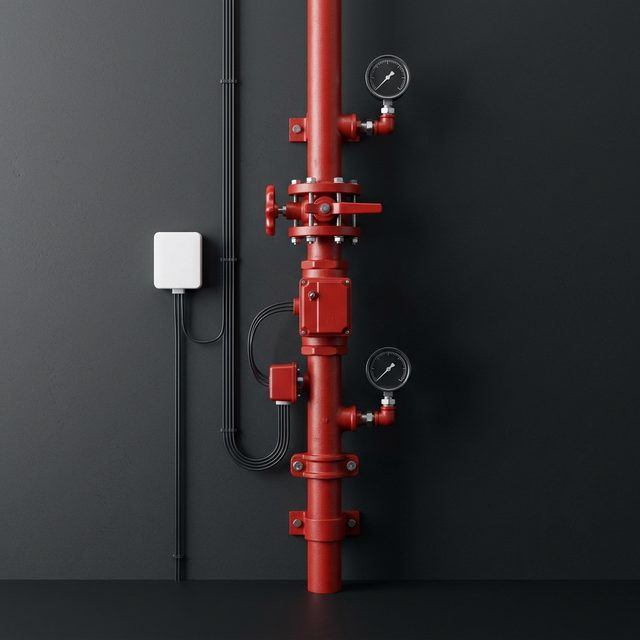 Supervising the sprinkler system: pressure, water level, temperatureChapter 17 — Initiating Devices
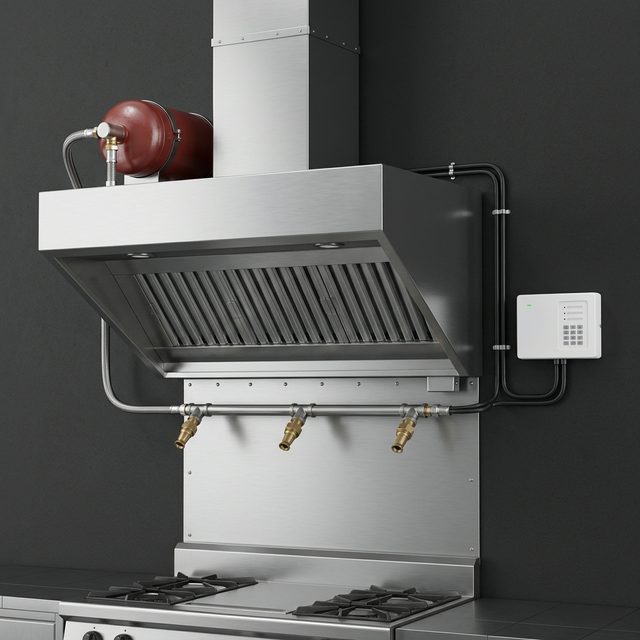 When the kitchen hood system fires, the fire alarm has to knowChapter 17 — Initiating Devices
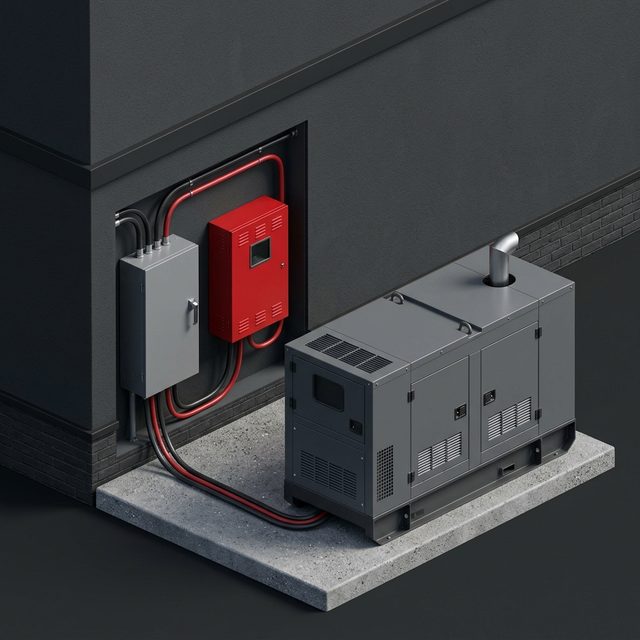 Using the building generator as secondary power — with 4 hours of batteryChapter 10 — Fundamentals
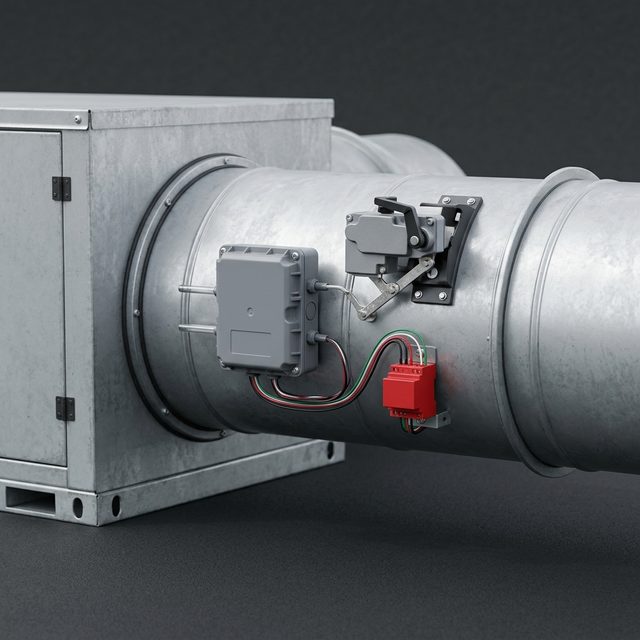 Fan shutdown and dampers: who commands, who confirmsChapter 21 — Emergency Control Function Interfaces
Advanced Topics: Addressable, Wireless & IoT
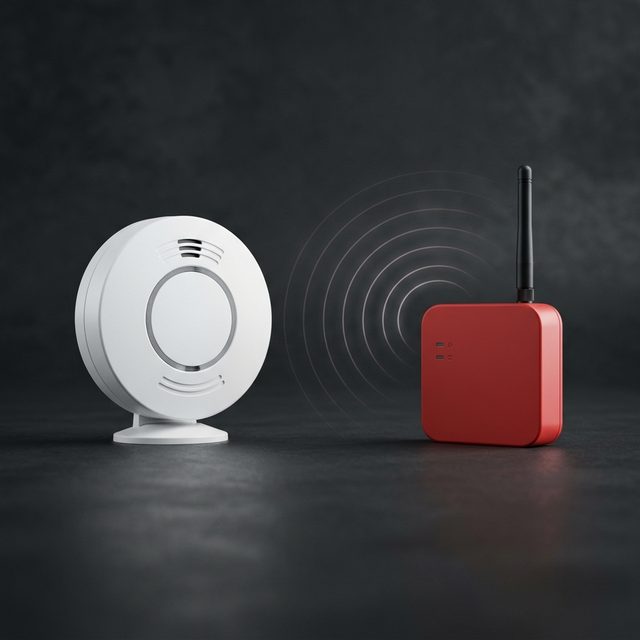 Listed wireless: 10 seconds to alarm, 200 seconds to notice a lost device, 7 days of battery warningChapter 23 — Protected Premises Fire Alarm Systems
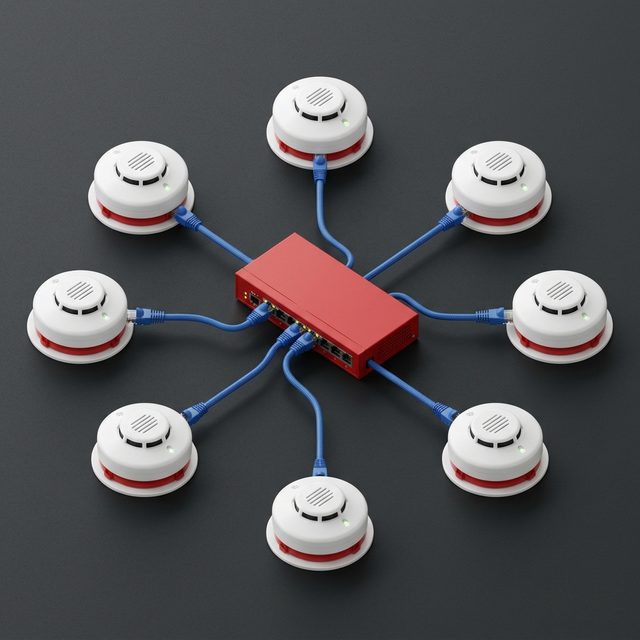 Class N: Ethernet pathways with a dedicated path per deviceChapter 12 — Circuits and Pathways
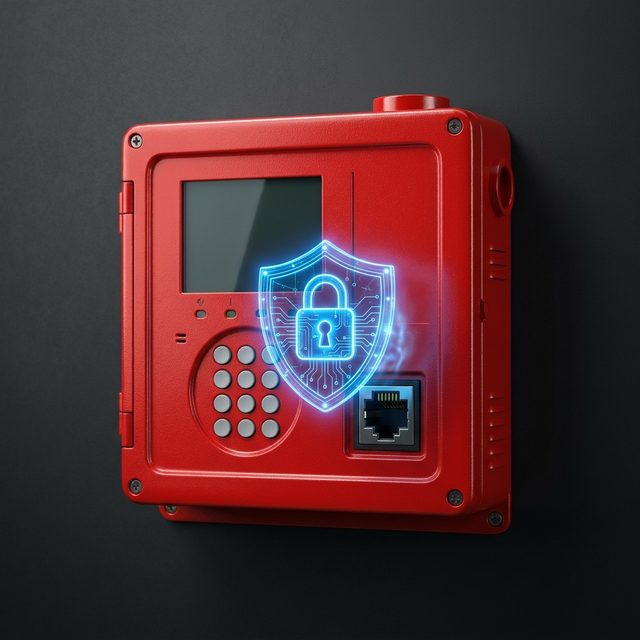 Cybersecurity is now in the code: Chapter 11Chapter 11 — Cybersecurity (new in the 2022 edition)
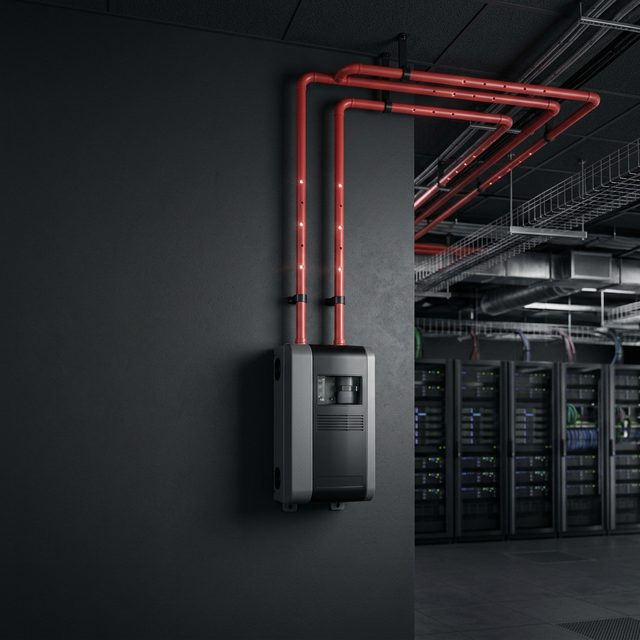 Aspirating detection: every sampling hole is a detector, and 120 seconds maxChapter 17 — Initiating Devices
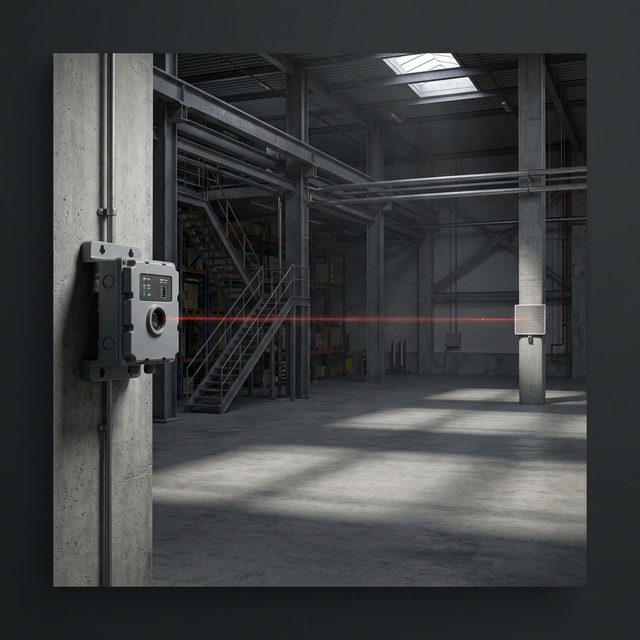 Projected beams: blocked is trouble, obscured is alarmChapter 17 — Initiating Devices
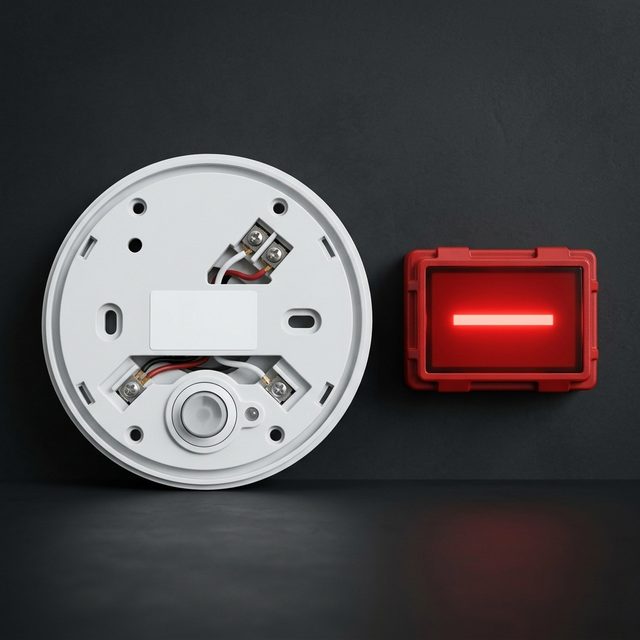 Addressable means every device is identified — at the panel and in the recordsChapter 10 / Chapter 14 / Chapter 7