
NFPA 72 code sections · System Testing & Maintenance
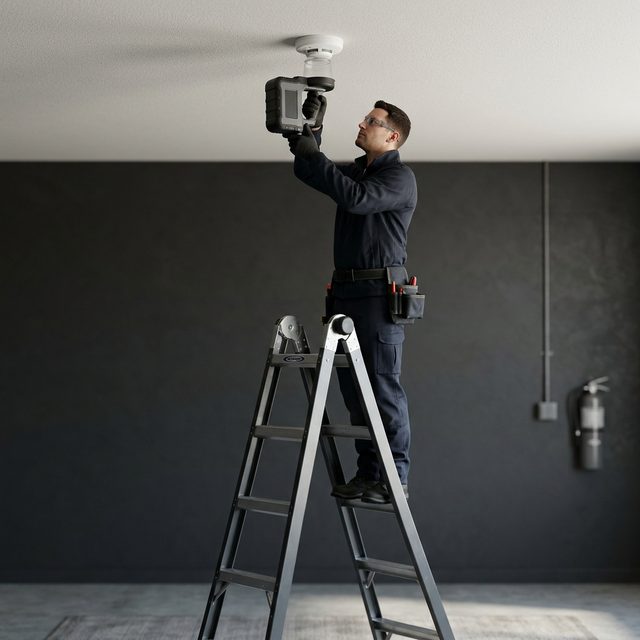
Smoke detector sensitivity: year 1, then every other year — up to 5
A smoke detector that still 'alarms' on a test can of smoke may be far outside its listed sensitivity range — too sensitive (nuisance alarms) or too dull (late detection). The code requires sensitivity to be checked within one year of installation, then every alternate year. After two consecutive tests show the detector within its listed range, the interval may be extended to a maximum of five years. Sensitivity is measured with a calibrated test method or read from an addressable panel that is listed for the purpose; any detector outside its range is cleaned and recalibrated or replaced.
NFPA 72 reference
Chapter 14 — Inspection, Testing, and Maintenance
14.4.4.3 Smoke Detector Sensitivity Testing (14.4.4.3.1 within 1 year of installation, then every alternate year; 14.4.4.3.2 extension to 5 years after two consecutive in-range tests; 14.4.4.3.4 acceptable test methods)
References use NFPA 72 2019/2022 numbering — section numbers can shift between editions, so confirm in the edition your AHJ has adopted.
On the job
A warehouse's photoelectric detectors all pass the annual canned-smoke test, but a sensitivity report from the addressable panel shows nine of them drifting toward the top of their range from dust loading. The service tech cleans them before they start false alarming — which is exactly what the sensitivity requirement is designed to catch.
Quick check
1. The first sensitivity test is due:
2. After two consecutive in-range tests, the sensitivity interval may be extended to a maximum of:
3. A canned-smoke functional test proves:
Listen to this section
AI-narrated, about a minute.
Ask about this section
Get a plain-language explanation of what this rule requires and what to check on the job.
3 free explanations left on this device.