
NFPA 72 code sections · Advanced Topics: Addressable, Wireless & IoT
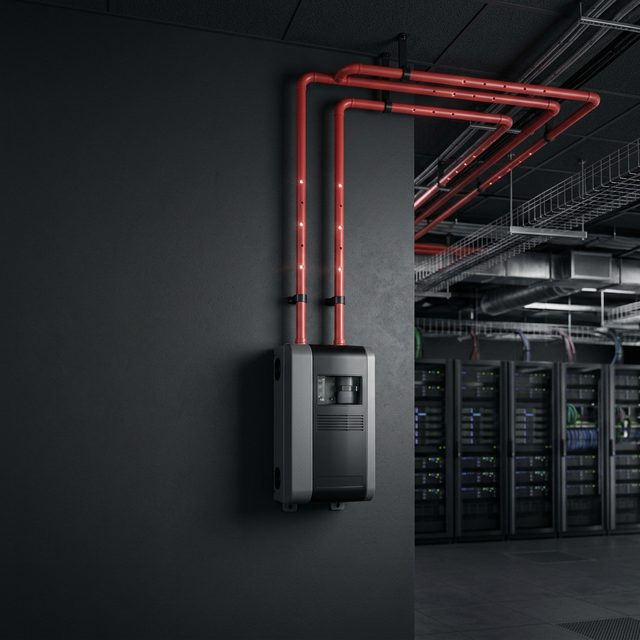
Aspirating detection: every sampling hole is a detector, and 120 seconds max
Air-sampling (aspirating) smoke detection draws air through a pipe network to a central, very sensitive detector — ideal for data centers, atria, cold storage and historic spaces. The code treats each sampling port as a spot-type detector for spacing and location purposes, so the pipe layout follows the Chapter 17 spacing rules. The maximum transport time from the farthest sampling port to the detector is 120 seconds, verified at acceptance; the pipe network is supervised for airflow faults; and sensitivity is set and documented per the listing. The detector cabinet itself needs protection and accessibility like any control equipment.
NFPA 72 reference
Chapter 17 — Initiating Devices
17.7.3.6 Air Sampling-Type Smoke Detector (17.7.3.6.1 each sampling port treated as a spot detector for spacing; 17.7.3.6.3 maximum transport time 120 s; 17.7.3.6.4 airflow supervision; 17.7.3.6.5 sampling pipe identification)
References use NFPA 72 2019/2022 numbering — section numbers can shift between editions, so confirm in the edition your AHJ has adopted.
On the job
A data center's aspirating pipes run 250 feet through a plenum with 40 sampling holes. Acceptance testing with smoke at the farthest hole takes 2 minutes 35 seconds to alarm — 35 seconds too long. The pipe is split into two shorter branches on a second detector port, bringing transport time to 70 seconds, and the AHJ witnesses the retest.
Quick check
1. For spacing purposes, each sampling port of an aspirating system is treated as:
2. Maximum transport time from the farthest sampling port to the detector is:
Listen to this section
AI-narrated, about a minute.
Ask about this section
Get a plain-language explanation of what this rule requires and what to check on the job.
3 free explanations left on this device.