
NFPA 72 code sections · Signal Types & Monitoring
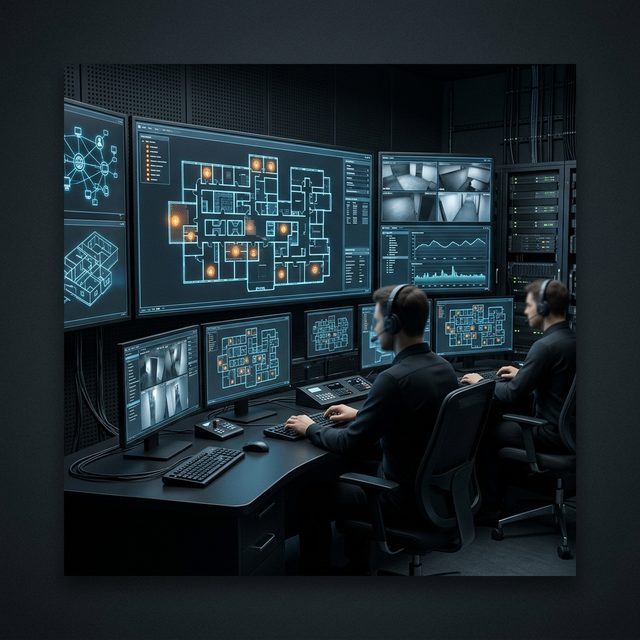
Central, proprietary, remote — three kinds of monitoring
Chapter 26 defines three supervising station arrangements. Central station service is a listed, contracted service that includes monitoring, runner response, record keeping and testing under a documented agreement. A proprietary supervising station is owned and staffed by the protected property itself (a campus or large facility). A remote supervising station receives signals from one or more properties and retransmits them to the fire department. Which one a building has changes the paperwork, the response expectations, and what the AHJ expects to see on the Record of Completion.
NFPA 72 reference
Chapter 26 — Supervising Station Alarm Systems
26.3 Central Station Service; 26.4 Proprietary Supervising Station Alarm Systems; 26.5 Remote Supervising Station Alarm Systems
References use NFPA 72 2019/2022 numbering — section numbers can shift between editions, so confirm in the edition your AHJ has adopted.
On the job
An owner tells the AHJ the building has "central station monitoring." The inspector asks for the central station certificate or placard; the owner only has an invoice from an alarm dealer. It turns out to be remote supervising station service — acceptable, but the Record of Completion and the placard at the panel have to say so.
Quick check
1. A supervising station owned and operated by the protected property itself is a:
2. Listed central station service includes:
Listen to this section
AI-narrated, about a minute.
Ask about this section
Get a plain-language explanation of what this rule requires and what to check on the job.
3 free explanations left on this device.