
NFPA 72 code sections · Signal Types & Monitoring
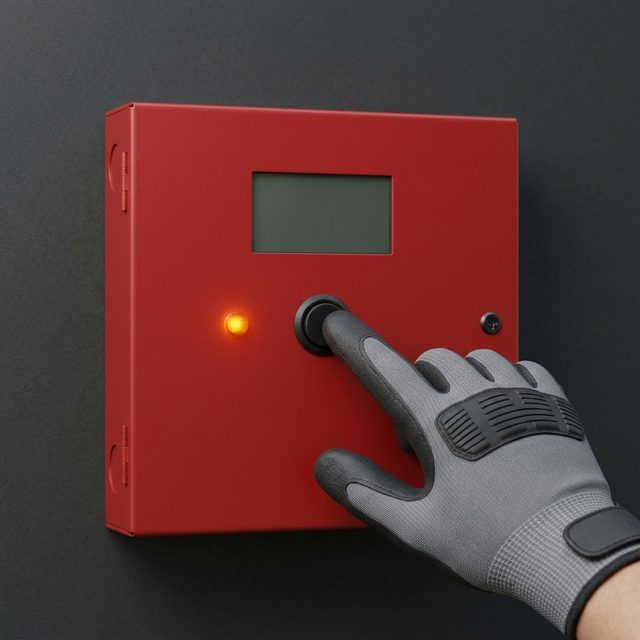
Trouble signals must be heard, can be silenced, but can't be hidden
A trouble condition has to produce an audible and visible indication at a location where someone can act on it — the panel or a remote annunciator where the building is attended. The audible part may be silenced, but the visible indication stays until the fault is cleared, and if a new, different trouble occurs while silenced, the sounder has to come back on (ring-back). Troubles also have to be transmitted to the supervising station when the system is monitored.
NFPA 72 reference
Chapter 10 — Fundamentals
10.15 Trouble Signals (10.15.1 indication; 10.15.6 silence with visible indication retained; 10.15.7 re-sound on subsequent trouble)
References use NFPA 72 2019/2022 numbering — section numbers can shift between editions, so confirm in the edition your AHJ has adopted.
On the job
A school custodian silences a ground-fault trouble at 6 a.m. and goes about his day. At noon a NAC opens; because the panel is programmed correctly, the trouble buzzer re-sounds and the second fault is noticed. On an older panel with ring-back disabled, the open circuit would have sat silent behind the first silenced trouble.
Quick check
1. After the trouble sounder is silenced, the visible indication must:
2. If a different trouble occurs while the first is silenced, the panel must:
Listen to this section
AI-narrated, about a minute.
Ask about this section
Get a plain-language explanation of what this rule requires and what to check on the job.
3 free explanations left on this device.