
NFPA 72 code sections · Fire Alarm Design Principles
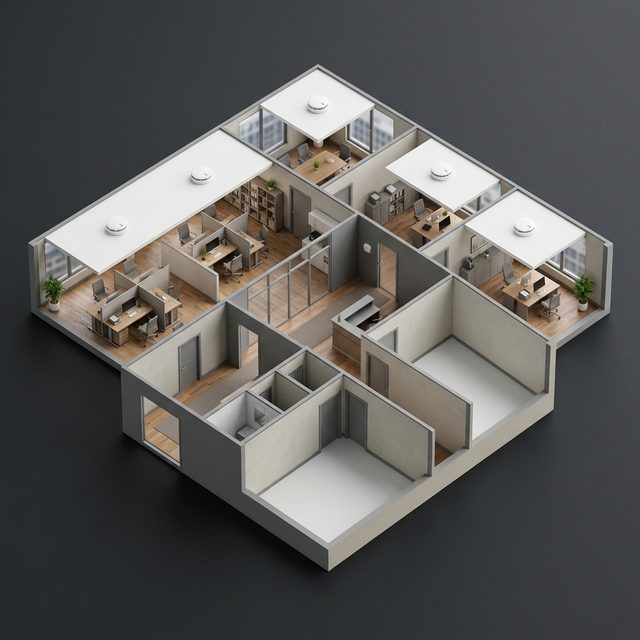
Total, partial, selective, or nonrequired: decide the coverage before placing a detector
Chapter 17 defines what 'covered' means. Total (complete) coverage puts detectors in every room, space and area including closets, attics, chases and above suspended ceilings where required — anywhere a fire could start. Partial or selective coverage puts detection only where the governing code or the design requires it — corridors, elevator lobbies, mechanical rooms. Nonrequired coverage is detection added voluntarily by the owner; it still has to meet NFPA 72 for spacing and installation, and the code requires it to be identified on the documents so nobody later assumes the building has total coverage.
NFPA 72 reference
Chapter 17 — Initiating Devices
17.5.3 Detector Coverage (17.5.3.1 Total coverage; 17.5.3.2 Partial or Selective coverage; 17.5.3.3 Nonrequired coverage — identified on design documents and installed per the code)
References use NFPA 72 2019/2022 numbering — section numbers can shift between editions, so confirm in the edition your AHJ has adopted.
On the job
A school design labels the system 'total coverage' because every classroom has a detector. The reviewer asks about the storage closets, the elevator machine room and the plenum above the corridor ceiling — none are covered. The drawings are relabeled selective coverage per the building code, and the owner's voluntary classroom detectors are marked nonrequired so the next inspector reads the system correctly.
Quick check
1. Total coverage means detectors in:
2. Nonrequired (owner-added) detectors:
3. Detection only in corridors, lobbies and mechanical rooms is:
Listen to this section
AI-narrated, about a minute.
Ask about this section
Get a plain-language explanation of what this rule requires and what to check on the job.
3 free explanations left on this device.