
NFPA 72 code sections · Troubleshooting & Repairs
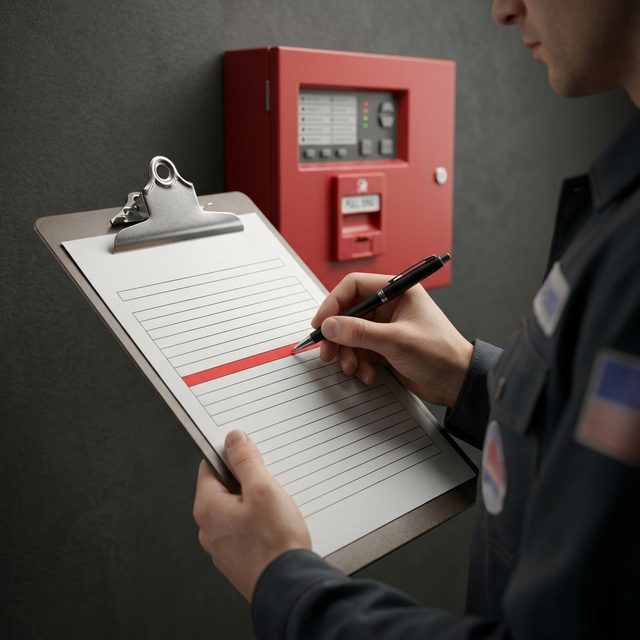
Found a problem? It goes to the owner in writing
Troubleshooting that ends with a verbal 'you should get that fixed' isn't compliant. Every deficiency found during inspection, testing or service is documented and reported to the owner or the owner's representative in writing, and the service provider's record retains it. The owner is then responsible for correction; where a deficiency leaves the system impaired, the impairment procedures — notification of the supervising station and AHJ, mitigation such as fire watch, and a tag on the panel — kick in. The written record protects the technician as much as the building.
NFPA 72 reference
Chapter 14 — Inspection, Testing, and Maintenance
14.2.2 Responsibilities (14.2.2.1 owner; 14.2.2.3 service provider shall report deficiencies to the owner in writing); 14.6.2 records of deficiencies and corrective action; 10.21 impairments
References use NFPA 72 2019/2022 numbering — section numbers can shift between editions, so confirm in the edition your AHJ has adopted.
On the job
A tech finds a dead NAC extender battery set and tells the maintenance supervisor at the door on his way out. Two months later a NAC fails during a real fire. The service company has no written deficiency notice; the owner says he was never told. Now the company's work order system prints a signed deficiency sheet before any truck leaves the lot.
Quick check
1. Deficiencies found during service must be reported to the owner:
2. Who is responsible for correcting a reported deficiency?
Listen to this section
AI-narrated, about a minute.
Ask about this section
Get a plain-language explanation of what this rule requires and what to check on the job.
3 free explanations left on this device.