
NFPA 72 code sections · Troubleshooting & Repairs
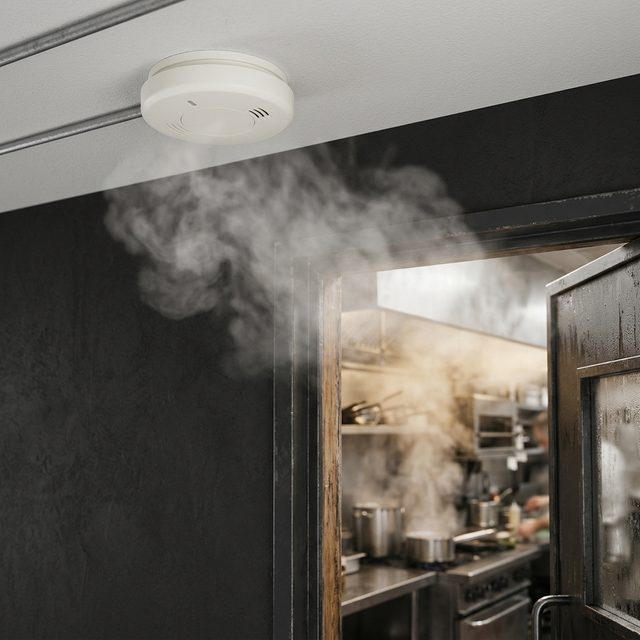
Four kinds of unwanted alarm — and only one is the detector's fault
The code classifies unwanted alarms so they can be investigated and fixed rather than shrugged off. A nuisance alarm is caused by a condition that mimics fire — steam, dust, cooking aerosol — reaching a properly working detector. An unintentional alarm is caused by a person without malice (a kid bumps a pull station, a contractor's drill hits a wire). A malicious alarm is deliberate. An unknown alarm has no identified cause after investigation. The categories drive the fix: relocation or a different detection technology for nuisance, covers and education for unintentional, security for malicious, and more digging for unknown.
NFPA 72 reference
Chapter 3 — Definitions
3.3 Unwanted Alarm (3.3.x Nuisance Alarm, Unintentional Alarm, Malicious Alarm, Unknown Alarm); Annex A guidance on investigating unwanted alarms; 14.2.2 owner responsibility to address deficiencies
References use NFPA 72 2019/2022 numbering — section numbers can shift between editions, so confirm in the edition your AHJ has adopted.
On the job
A hotel logs 11 'false alarms' in a quarter. Classifying them: 7 nuisance (shower steam in rooms with detectors right outside bathrooms), 3 unintentional (housekeeping carts hitting a low pull station), 1 unknown. Relocating 20 detectors and adding listed covers on two pull stations cuts the next quarter to one unknown — which a sensitivity report then traces to a dirty head.
Quick check
1. An alarm caused by shower steam reaching a properly working smoke detector is a:
2. A pull station pulled on purpose as a prank is a:
3. The point of classifying unwanted alarms is to:
Listen to this section
AI-narrated, about a minute.
Ask about this section
Get a plain-language explanation of what this rule requires and what to check on the job.
3 free explanations left on this device.