
NFPA 72 code sections · Troubleshooting & Repairs
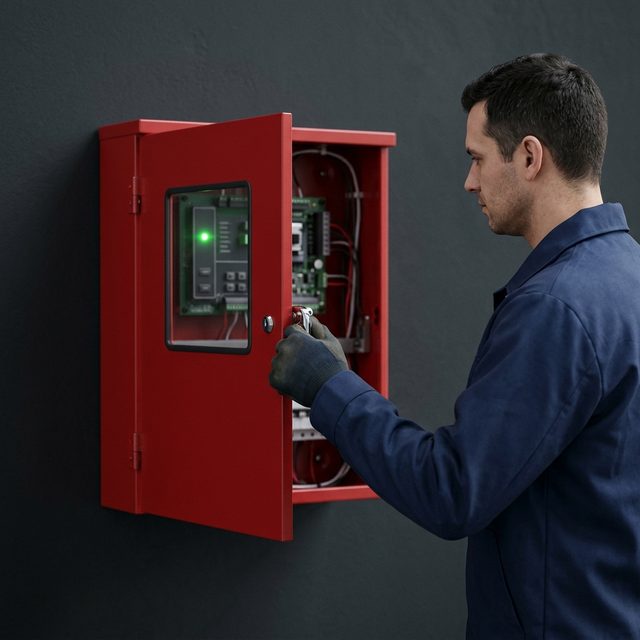
Repaired isn't done until it's retested, restored and recorded
Closing a troubleshooting call has three steps the code expects. Retest: any component repaired or replaced is tested, and if the repair involved programming, the reacceptance rules apply. Restore: the system is returned to normal, test modes and bypasses are cleared, and the supervising station and occupants are told the system is back in service. Record: the deficiency, root cause, corrective action and test results go in the record that the owner keeps until the next test plus one year. 'Restored' in the station's log and a panel left in walk-test are two different things.
NFPA 72 reference
Chapter 14 — Inspection, Testing, and Maintenance
14.4.2 reacceptance testing of repaired or replaced components; 14.2.4.2 notification of restoration to service; 14.6.2 records of corrective action (retention until the next test and 1 year)
References use NFPA 72 2019/2022 numbering — section numbers can shift between editions, so confirm in the edition your AHJ has adopted.
On the job
A tech replaces a shorted strobe, verifies it flashes, and leaves. The NAC was still bypassed at the panel from the troubleshooting session. The bypass is found at the next monthly inspection — four weeks with one dead notification circuit. The company adds a 'bypasses cleared / station notified / record written' checklist to every close-out.
Quick check
1. After replacing a device, the technician must:
2. Repair records are kept:
Listen to this section
AI-narrated, about a minute.
Ask about this section
Get a plain-language explanation of what this rule requires and what to check on the job.
3 free explanations left on this device.