
NFPA 72 code sections · Installation Guidelines
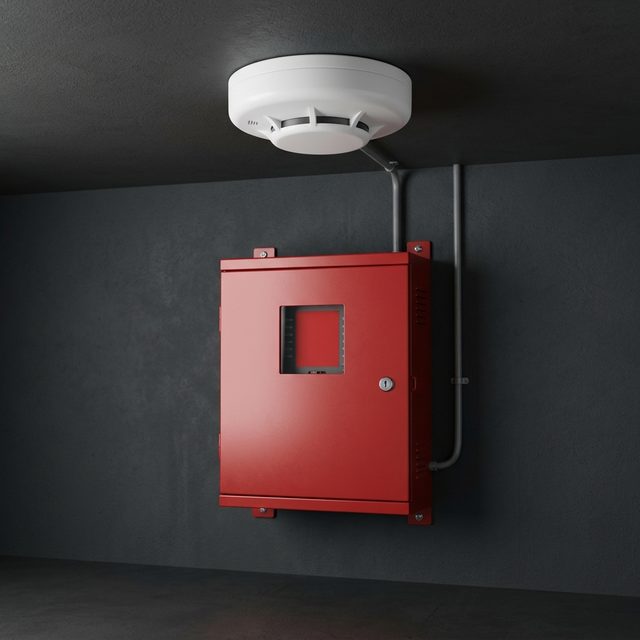
Protect the panel: a smoke detector at every control unit
A fire that starts at the fire alarm panel can destroy the system before anyone knows there is a fire. Where the area is not continuously occupied, the code requires automatic smoke detection at the location of each fire alarm control unit, each NAC power extender and the supervising station transmitting equipment. A heat detector is allowed where the environment is unsuitable for a smoke detector, and a dedicated detector isn't needed when the space already has total smoke coverage. 'Continuously occupied' means staffed 24/7, not 'somebody walks through'.
NFPA 72 reference
Chapter 10 — Fundamentals
10.4.5 Protection of Fire Alarm Control Units (10.4.4 in the 2016 edition): smoke detection at each control unit, NAC extender and transmitter in areas not continuously occupied; heat detector where ambient conditions prohibit smoke detection
References use NFPA 72 2019/2022 numbering — section numbers can shift between editions, so confirm in the edition your AHJ has adopted.
On the job
An electrical room holds the FACU and two NAC extenders with no detector. The inspector asks where the detection is; the installer says the room is 'occupied' because electricians use it. It isn't staffed, so a smoke detector is added on the ceiling within the Chapter 17 location rules — not glued to the panel door.
Quick check
1. Smoke detection at the FACU is required when the location is:
2. Which equipment also needs this protection?
3. When the room has total smoke coverage already:
Listen to this section
AI-narrated, about a minute.
Ask about this section
Get a plain-language explanation of what this rule requires and what to check on the job.
3 free explanations left on this device.