
NFPA 72 code sections · Installation Guidelines
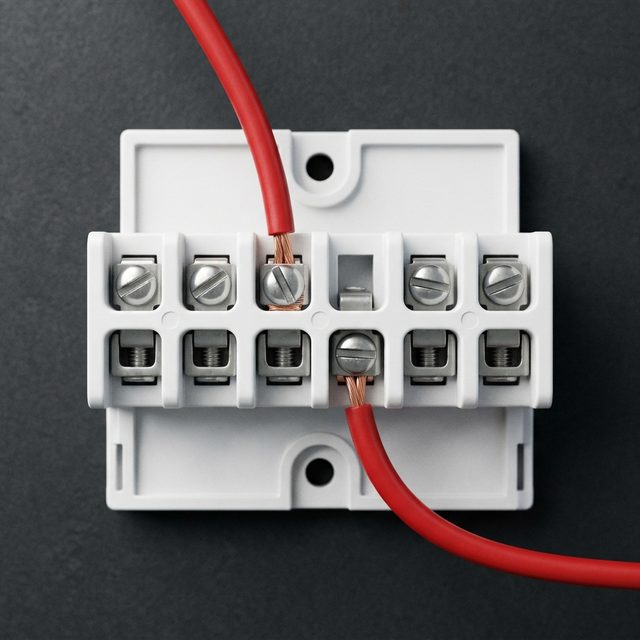
In on one terminal, out on another: how supervision really works
Monitoring for integrity depends on the wiring passing through every device. Conductors are terminated so a break anywhere in the run — including a device removed from its base — produces a trouble: incoming and outgoing conductors land on separate terminals, never twisted together or looped under one screw, and never T-tapped on a Class B circuit. Addressable detector bases must indicate a trouble when the head is removed. These are the rules behind the end-of-line resistor; when a technician 'cheats' them, the circuit shows normal while part of the building is unprotected.
NFPA 72 reference
Chapter 12 — Circuits and Pathways / Chapter 23
12.6 Monitoring Integrity and A.12.6.1 (terminations that preserve supervision — no loops under a single terminal, no T-taps on Class B); 23.8.5 removal of a detector from its base shall cause a trouble signal
References use NFPA 72 2019/2022 numbering — section numbers can shift between editions, so confirm in the edition your AHJ has adopted.
On the job
A tech replaces a heat detector base and, rushing, pigtails the in-and-out wires under one terminal. The panel is happy. Two years later the head is knocked off by a pallet; the circuit still reads normal because the EOL path is intact through the pigtail. The next annual test is the first anyone learns that room has had no detector.
Quick check
1. On a Class B circuit, incoming and outgoing conductors should be:
2. Removing a detector head from its base must:
Listen to this section
AI-narrated, about a minute.
Ask about this section
Get a plain-language explanation of what this rule requires and what to check on the job.
3 free explanations left on this device.