
NFPA 72 code sections · Emergency Communication Systems
Voice messages must be intelligible, not just loud
A voice evacuation system has to deliver messages that occupants can actually understand. The designer divides the building into acoustically distinguishable spaces (ADS) — a corridor, an open office, a gymnasium, a stairwell — and decides for each whether intelligibility is required. Where it is, speakers are laid out for coverage and the result is verified; Annex D describes measuring it with a Speech Transmission Index (STI) of at least 0.45 (CIS 0.65). More watts rarely help — reverberation and speaker spacing do.
NFPA 72 reference
Chapter 18 — Notification Appliances / Chapter 24 — Emergency Communications Systems
18.4.11 Voice Intelligibility; 24.3.1 ADS designation and intelligibility requirements; Annex D Speech Intelligibility (STI ≥ 0.45 / CIS ≥ 0.65 measurement guidance)
References use NFPA 72 2019/2022 numbering — section numbers can shift between editions, so confirm in the edition your AHJ has adopted.
On the job
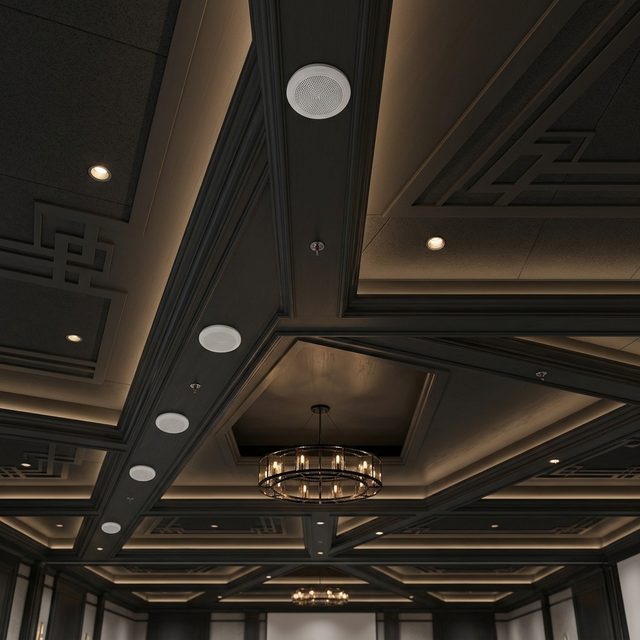
A hotel ballroom passes the dBA test with 8 ceiling speakers on the highest tap — and nobody can make out a word because of the hard surfaces and echo. The fix is more speakers at a lower tap, spaced closer, so each listener hears mostly direct sound. The STI meter climbs from 0.38 to 0.52 and the ADS is signed off.
Quick check
1. An ADS is:
2. Which action most reliably improves intelligibility in an echoey room?
3. The Annex D guideline for acceptable intelligibility is an STI of at least:
Listen to this section
AI-narrated, about a minute.
Ask about this section
Get a plain-language explanation of what this rule requires and what to check on the job.
3 free explanations left on this device.