
NFPA 72 code sections · Emergency Communication Systems
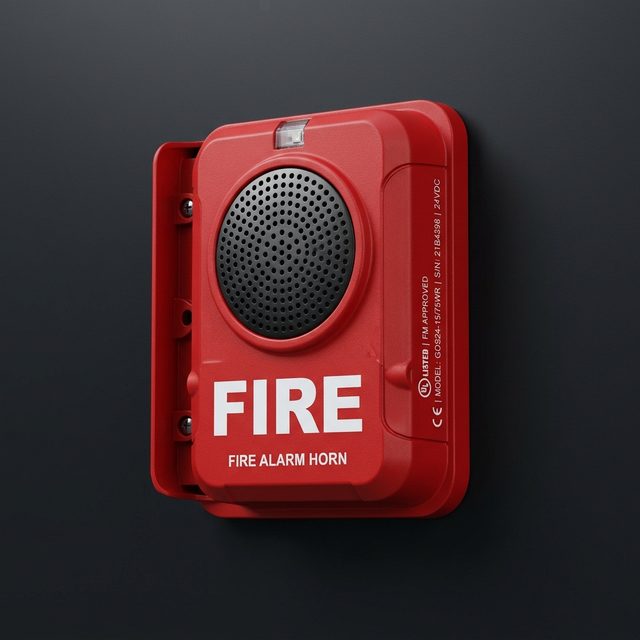
Evacuation sounds like Temporal-3; CO sounds like Temporal-4
Any audible signal that means 'leave the building' must use the standard three-pulse temporal pattern (ANSI/ASA S3.41): on-off-on-off-on, pause, repeated for at least 180 seconds. The pattern is reserved — it can't be used for anything else — so occupants learn one sound everywhere. Carbon monoxide alarm signals use a distinct four-pulse temporal pattern so nobody confuses a CO event with a fire evacuation. Voice systems play the tone before the message; tone-only systems use it as the alarm itself.
NFPA 72 reference
Chapter 18 — Notification Appliances
18.4.2 Audible Signal Characteristics (18.4.2.1 three-pulse temporal pattern for evacuation; 18.4.2.2 four-pulse temporal pattern for carbon monoxide)
References use NFPA 72 2019/2022 numbering — section numbers can shift between editions, so confirm in the edition your AHJ has adopted.
On the job
A retrofit replaces old horns with new horn/strobes, but the NAC is still driven by a legacy panel programmed for steady output. The acceptance inspector hears a continuous tone and fails the test. The panel's NAC output is reprogrammed to Temporal-3 (or the appliances set to generate the pattern themselves), and the test is repeated.
Quick check
1. The required pattern for an audible evacuation signal is:
2. The four-pulse temporal pattern is reserved for:
3. Can Temporal-3 be used for a non-evacuation signal, such as a shift change?
Listen to this section
AI-narrated, about a minute.
Ask about this section
Get a plain-language explanation of what this rule requires and what to check on the job.
3 free explanations left on this device.