
NFPA 72 code sections · Case Studies & Incident Reviews
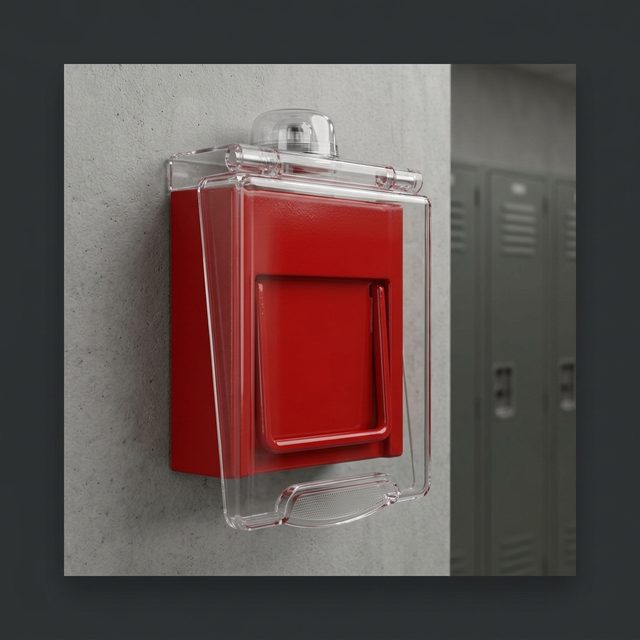
Malicious alarms in schools: listed covers, not disabled stations
When a school or stadium fights repeated malicious pull-station activations, the wrong fix is to remove or disable the boxes. The code allows a protective cover over a manual fire alarm box — including covers that sound a local alert when lifted — only when the cover is listed for the purpose and does not prevent operation of the box. The box stays accessible, unobstructed and conspicuous at its required locations and height, and the local alert is a deterrent, not a substitute for the alarm signal. Incident reviews of malicious-alarm epidemics almost always find either no covers or home-made ones.
NFPA 72 reference
Chapter 17 — Initiating Devices
17.15.6 protective covers for manual fire alarm boxes listed for the purpose and not preventing operation (17.14.8 in the 2016 edition); 17.15.5 / 17.15.8 mounting height and location unchanged by the cover
References use NFPA 72 2019/2022 numbering — section numbers can shift between editions, so confirm in the edition your AHJ has adopted.
On the job
A middle school averages two malicious pulls a week; the principal wants the hallway stations removed. Listed sounding covers go on every box instead. The first time a student lifts one, the 95 dB local alert brings a teacher into the hallway before the handle is pulled. Malicious alarms drop to zero for the year, and the stations remain fully operable.
Quick check
1. A protective cover on a pull station must:
2. The approved response to repeated malicious pulls is to:
Listen to this section
AI-narrated, about a minute.
Ask about this section
Get a plain-language explanation of what this rule requires and what to check on the job.
3 free explanations left on this device.