
NFPA 72 code sections · Capstone: Design, Explain & Defend
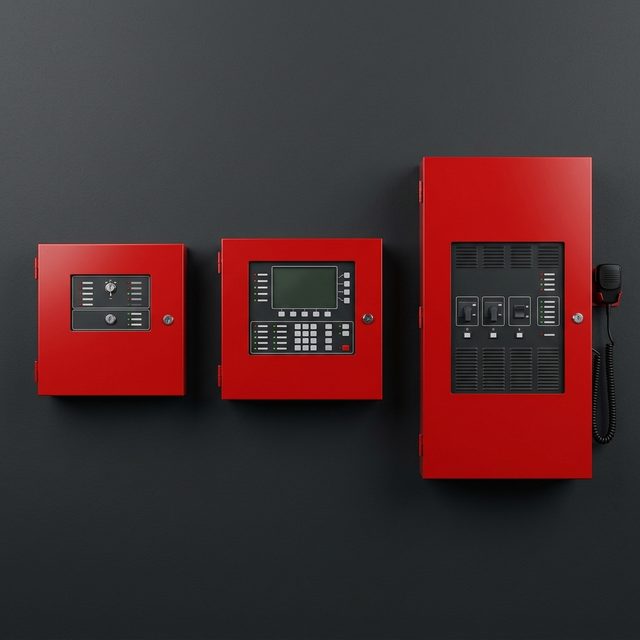
Name the system type before you defend the design
Chapter 23 recognises different protected-premises system types, and the type sets the rules. A building fire alarm system provides occupant notification and detection as the building code requires. A dedicated function fire alarm system exists only to do a specific job — most often sprinkler waterflow and valve monitoring — and is not required to provide occupant notification beyond what that job needs. A releasing fire alarm system operates a suppression system and carries extra requirements for reliability and abort. Combination systems share equipment with other functions. Calling a sprinkler-monitoring panel a 'fire alarm system' in a capstone defence invites the question: where is the notification?
NFPA 72 reference
Chapter 23 — Protected Premises Fire Alarm Systems
23.3 System Features (23.3.3.1 building fire alarm system; 23.3.3.2 dedicated function fire alarm system; 23.3.3.3 releasing fire alarm system; 23.8.4 combination systems); 3.3 definitions
References use NFPA 72 2019/2022 numbering — section numbers can shift between editions, so confirm in the edition your AHJ has adopted.
On the job
A capstone student designs a warehouse with a panel, waterflow switch, tamper switch and an outside bell — and labels it a building fire alarm system. The reviewer asks for occupant notification and detection; the student can't justify them from the building code. Relabelled as a dedicated function (sprinkler monitoring) system, the design is correct and the paperwork matches the scope.
Quick check
1. A system whose only purpose is to monitor sprinkler waterflow and valves is a:
2. A releasing fire alarm system:
Listen to this section
AI-narrated, about a minute.
Ask about this section
Get a plain-language explanation of what this rule requires and what to check on the job.
3 free explanations left on this device.