
NFPA 72 code sections · Smoke & Heat Detector Technologies
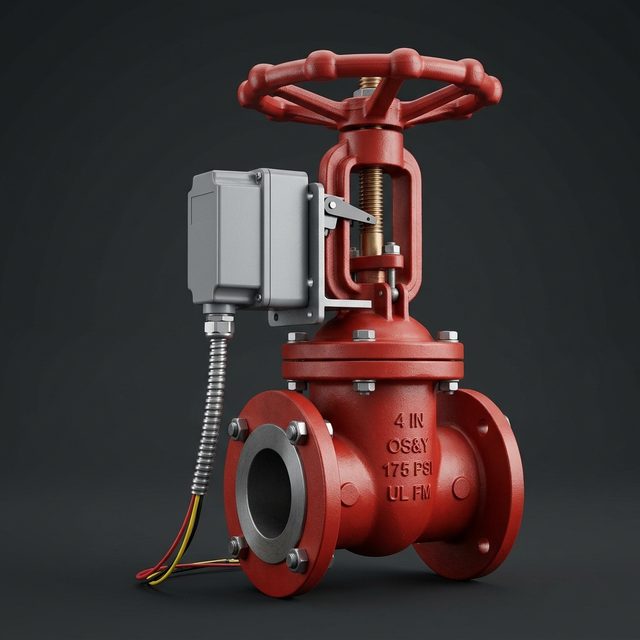
Waterflow alarms within 90 seconds; a valve tamper trips within two turns
A waterflow switch has to initiate an alarm within 90 seconds of a sustained flow equal to or greater than one sprinkler head — the retard is there to ride through pressure surges, not to delay a real alarm. A control valve supervisory switch, on the other hand, must signal when the valve is moved no more than two revolutions of the handwheel or one-fifth of its travel from fully open, and it must restore when the valve is returned. Waterflow is an alarm signal; valve tamper is a supervisory signal — the panel and the monitoring company have to treat them differently.
NFPA 72 reference
Chapter 17 — Initiating Devices
17.12.2 waterflow alarm initiation within 90 s; 17.16.1 control valve supervisory signal within two revolutions or one-fifth travel (17.16.1.1 / 17.16.1.2 restoration)
References use NFPA 72 2019/2022 numbering — section numbers can shift between editions, so confirm in the edition your AHJ has adopted.
On the job
On the annual test the inspector's test connection runs for two full minutes before the panel alarms. The vane switch retard was turned to maximum to stop nuisance alarms from a water hammer problem — past the 90-second limit. The fix is a correctly set retard plus a surge suppressor on the riser; the hammer is a sprinkler contractor problem, not something the alarm tech should mask.
Quick check
1. A waterflow switch must initiate an alarm within:
2. A valve supervisory switch must signal when the valve moves:
3. Waterflow produces a(n) ______ signal; valve tamper produces a(n) ______ signal.
Listen to this section
AI-narrated, about a minute.
Ask about this section
Get a plain-language explanation of what this rule requires and what to check on the job.
3 free explanations left on this device.