
NFPA 72 code sections · Devices & Signal Flow: How the Panel Hears and Speaks
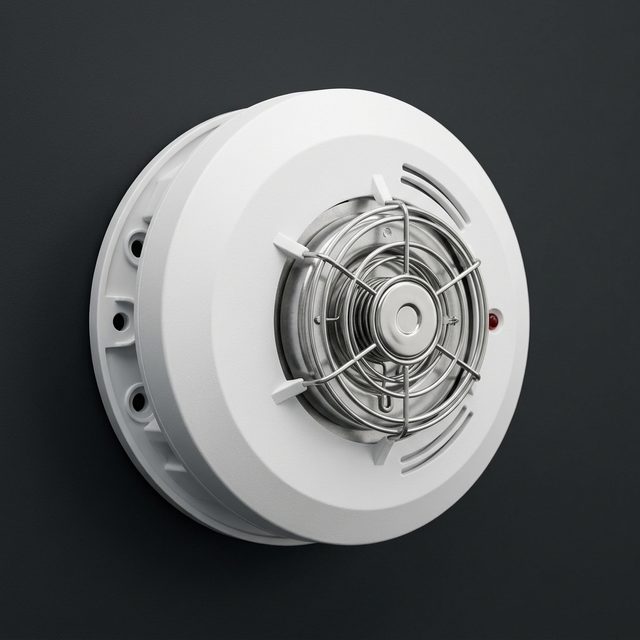
Heat detector: slower than smoke, but almost never wrong
Heat detectors report when the air at the ceiling gets hot enough. Fixed-temperature detectors operate at a set point (commonly 135°F or 194°F); rate-of-rise detectors operate when the temperature climbs faster than about 12-15°F per minute; combination units do both. Because heat is a late, unambiguous sign of fire, the panel treats a heat detector's report as an alarm immediately — alarm verification is not applied — and heat detectors are the right choice where smoke detectors would nuisance-alarm (kitchens, garages, dusty shops). They are a property-protection device, not a life-safety substitute for smoke detection.
NFPA 72 reference
Chapter 17 — Initiating Devices
17.6 Heat-Sensing Fire Detectors (17.6.2 classification — fixed-temperature, rate-of-rise, rate-compensated; 17.6.3 location and spacing); 23.8.5.4 verification limited to smoke detectors; A.17.6 heat detectors not a substitute for smoke detection in life-safety applications
References use NFPA 72 2019/2022 numbering — section numbers can shift between editions, so confirm in the edition your AHJ has adopted.
On the job, step by step
- A grease fire flares under a restaurant hood that the hood suppression system has already put out — but heat built up in the adjacent dish room.
- The dish room's 194°F fixed-temperature heat detector operates and sends an alarm condition to the panel.
- No verification applies; the panel declares the alarm at once and activates horns and strobes within 10 seconds.
- The panel display identifies 'KITCHEN DISH ROOM HEAT', and the communicator sends the alarm to the supervising station.
- Fixed-temperature elements are often single-use: the technician replaces the detector, then resets the panel.
Quick check
1. A rate-of-rise heat detector operates when:
2. Does the panel apply alarm verification to a heat detector?
Listen to this section
AI-narrated, about a minute.
Ask about this section
Get a plain-language explanation of what this rule requires and what to check on the job.
3 free explanations left on this device.