
NFPA 72 code sections · Devices & Signal Flow: How the Panel Hears and Speaks
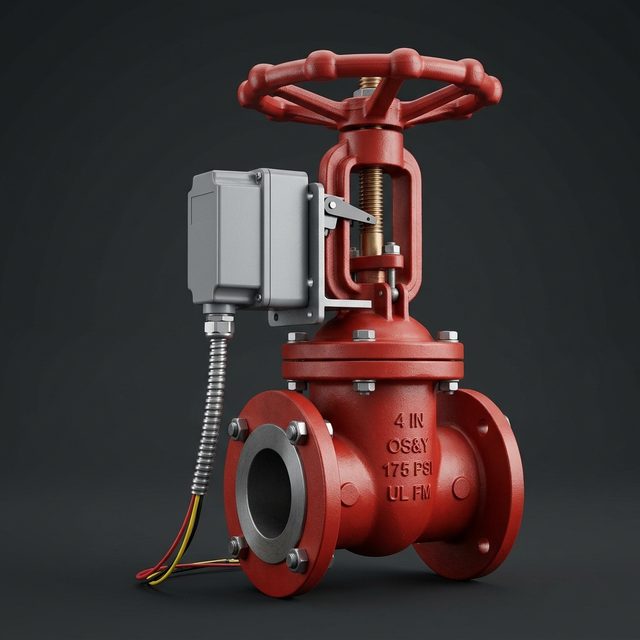
Valve tamper switch: a warning, not an alarm
A supervisory switch on a sprinkler control valve reports when someone starts to close the valve — within two turns of the handwheel or one-fifth of its travel. The panel receives this as a supervisory signal: a distinct indication and sound at the panel, transmitted to the supervising station, but no horns, no strobes and no evacuation, because nothing is burning — the system is simply less ready than it should be. When the valve is reopened, the switch restores and the panel shows a separate restoration signal. Confusing a supervisory with an alarm, or wiring one so it reads as a trouble, defeats the whole point.
NFPA 72 reference
Chapter 17 — Initiating Devices / Chapter 10
17.16.1 control valve supervisory signal-initiating device (two revolutions / one-fifth travel; off-normal and restoration signals); 10.14 Supervisory Signals (distinct indication); 10.10 distinctive signals
References use NFPA 72 2019/2022 numbering — section numbers can shift between editions, so confirm in the edition your AHJ has adopted.
On the job, step by step
- A contractor in the riser room starts closing the main control valve to replace a gauge.
- After two turns the tamper switch changes state and sends a supervisory signal to the panel.
- The panel shows 'SUPERVISORY — RISER 1 VALVE' with its distinct supervisory tone; horns and strobes stay quiet.
- The supervising station receives the supervisory signal and phones the building's designated contact.
- The contractor finishes, reopens the valve, and the panel records a supervisory restoration.
Quick check
1. A tamper switch sends the panel a(n):
2. When the panel receives a supervisory signal, the horns and strobes:
3. A tamper switch must signal when the valve has moved no more than:
Listen to this section
AI-narrated, about a minute.
Ask about this section
Get a plain-language explanation of what this rule requires and what to check on the job.
3 free explanations left on this device.