
NFPA 72 code sections · Devices & Signal Flow: How the Panel Hears and Speaks
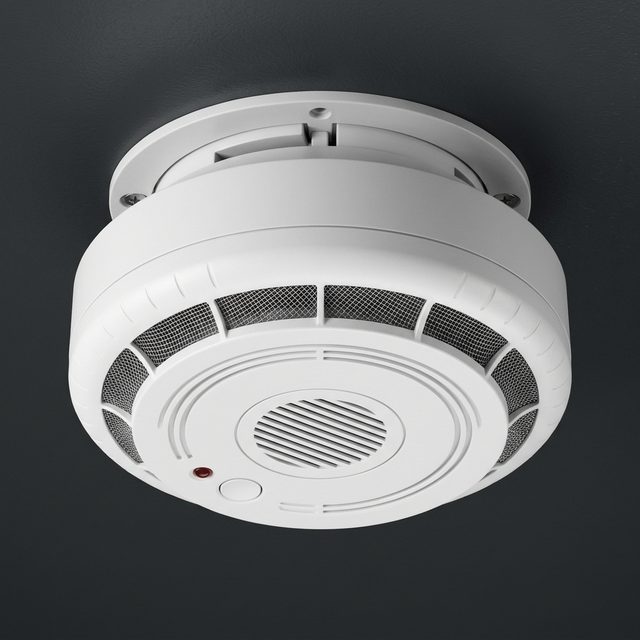
Smoke detector: it decides there's smoke, then the panel decides what to do
A spot-type smoke detector samples the air in its chamber — photoelectric detectors look for light scattered by smoke particles, ionization detectors for a change in a tiny current. When the amount of smoke crosses the detector's listed sensitivity, the detector reports an alarm condition to the panel. The panel may respond immediately or, if programmed for alarm verification, confirm that the condition persists for up to 60 seconds before declaring an alarm; it may also use a positive alarm sequence where trained staff have 15 seconds to acknowledge and 180 seconds to investigate. Either way, once the panel declares an alarm, notification follows within 10 seconds.
NFPA 72 reference
Chapter 17 — Initiating Devices / Chapter 23
17.7 Smoke-Sensing Fire Detectors (17.7.1 general, 17.7.3 location and spacing); 23.8.5.4.1 alarm verification (≤ 60 s); 23.8.1.3 positive alarm sequence; 10.11.1 10-second response
References use NFPA 72 2019/2022 numbering — section numbers can shift between editions, so confirm in the edition your AHJ has adopted.
On the job, step by step
- Smoke from an overheated motor reaches the detector in the third-floor copy room.
- The detector's chamber crosses its alarm threshold and it reports an alarm condition to the panel.
- The panel is programmed for alarm verification: it waits, the condition is still present at 25 seconds, and the panel declares an alarm.
- Horns and strobes activate within 10 seconds of that decision; the duct detectors are told to shut down the air handler.
- The display reads '3RD FLR COPY ROOM SMOKE' so responders go to the right door.
Quick check
1. Alarm verification may delay a smoke detector alarm by up to:
2. A smoke detector reports an alarm condition when:
3. After the panel declares the alarm, notification appliances must activate within:
Listen to this section
AI-narrated, about a minute.
Ask about this section
Get a plain-language explanation of what this rule requires and what to check on the job.
3 free explanations left on this device.