
NFPA 72 code sections · Fire Alarm System Integration
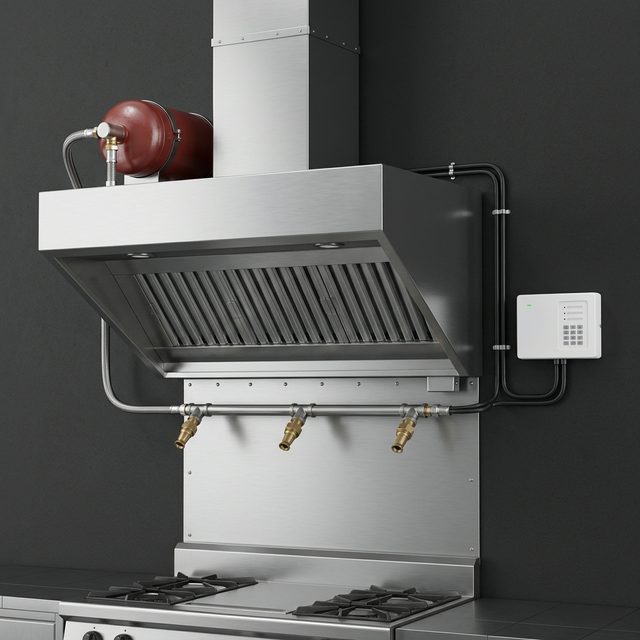
When the kitchen hood system fires, the fire alarm has to know
Operation of any other automatic extinguishing system — a kitchen hood wet-chemical system, a clean agent system in a server room, a water-mist system — has to be detected by the fire alarm system and produce an alarm signal, so occupants are notified and the signal is transmitted to the supervising station. That means a monitored input (usually a pressure switch or a microswitch on the hood system's release mechanism) wired to a monitor module, shown on the I/O matrix, and tested. Discharge of a suppression system that leaves the fire alarm silent is a classic integration gap.
NFPA 72 reference
Chapter 17 — Initiating Devices
17.13 Detection of the Operation of Other Automatic Extinguishing Systems (17.14 in some editions): operation of the extinguishing system shall initiate an alarm signal via a listed, monitored initiating device
References use NFPA 72 2019/2022 numbering — section numbers can shift between editions, so confirm in the edition your AHJ has adopted.
On the job
A restaurant hood system discharges on a grease fire at 9 p.m. The kitchen staff put down the fire and the dining room keeps eating; nobody knows until the hood contractor's invoice arrives. The hood system's microswitch had never been wired to the fire alarm. A monitor module is added, and the next test shows an alarm and a central-station transmission.
Quick check
1. Discharge of a kitchen hood suppression system must cause the fire alarm system to:
2. The interface from the hood system to the fire alarm is typically:
Listen to this section
AI-narrated, about a minute.
Ask about this section
Get a plain-language explanation of what this rule requires and what to check on the job.
3 free explanations left on this device.