
NFPA 72 code sections · Fire Alarm System Integration
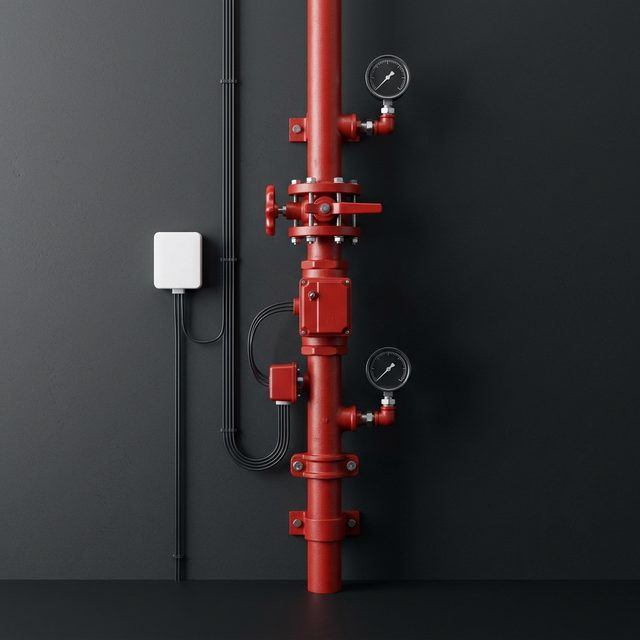
Supervising the sprinkler system: pressure, water level, temperature
Beyond valve tamper switches, the fire alarm system supervises the conditions that keep a sprinkler system ready. Pressure supervisory devices report high or low air pressure on dry-pipe and pre-action systems (commonly a 10 psi change), low pressure on pressure tanks and low pressure in public mains; water-level devices report a 3-inch drop in a pressure tank or 12 inches in other tanks; water-temperature devices report when tank water nears 40°F; and room-temperature devices report when a valve room or dry-pipe enclosure approaches freezing. Each is a supervisory signal with initiation and restoration.
NFPA 72 reference
Chapter 17 — Initiating Devices
17.16 Supervisory Signal-Initiating Devices (17.16.1 control valve; 17.16.2 pressure supervision; 17.16.3 water level; 17.16.4 water temperature; 17.16.5 room temperature); 10.14 supervisory signals
References use NFPA 72 2019/2022 numbering — section numbers can shift between editions, so confirm in the edition your AHJ has adopted.
On the job
A dry-pipe valve enclosure's heater fails in January. The room-temperature supervisory device sends a signal at 40°F; the central station calls the owner at 3 a.m.; a space heater goes in before the pipe freezes. The same building two winters earlier, before the device was added, lost the valve and flooded the loading dock.
Quick check
1. A low-air-pressure condition on a dry-pipe system produces a:
2. A room-temperature supervisory device protecting a valve room signals when the temperature approaches:
3. Supervisory devices must indicate:
Listen to this section
AI-narrated, about a minute.
Ask about this section
Get a plain-language explanation of what this rule requires and what to check on the job.
3 free explanations left on this device.