
NFPA 72 code sections · Fire Alarm System Integration
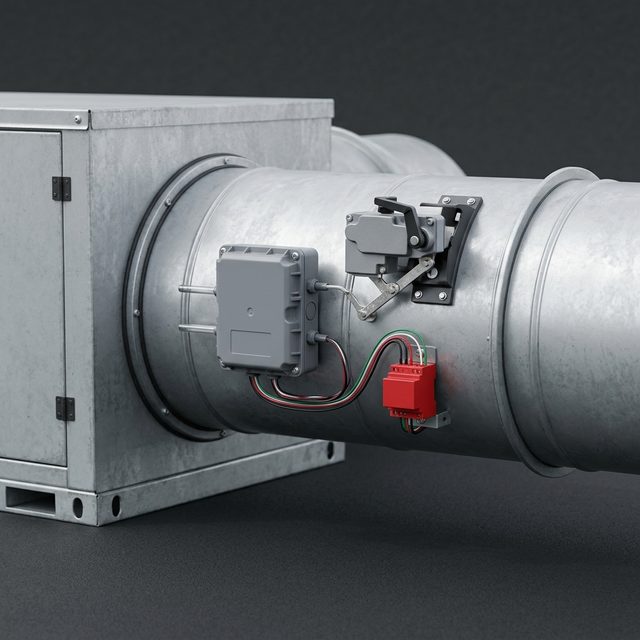
Fan shutdown and dampers: who commands, who confirms
The fire alarm system initiates HVAC shutdown and damper closure as the mechanical code and NFPA 90A require — by duct detectors, area detectors or the general alarm, per the I/O matrix. The fire alarm sends the command through a listed relay or control module within 3 feet of the fan starter or damper actuator; it is not required to confirm that the fan stopped unless the design is part of an engineered smoke-control system, and it is not responsible for restarting the fans (that is manual, by building staff, after the event). Where the AHJ permits, duct-detector shutdowns are supervisory rather than alarm signals.
NFPA 72 reference
Chapter 21 — Emergency Control Function Interfaces
21.7 Heating, Ventilating and Air-Conditioning Systems (21.7.1 fan shutdown and damper control per NFPA 90A; 21.7.3 interface via listed control module / relay; 21.7.4 duct detectors used solely for HVAC shutdown may be supervisory); 21.2.4 relay location
References use NFPA 72 2019/2022 numbering — section numbers can shift between editions, so confirm in the edition your AHJ has adopted.
On the job
A tenant complains that after every fire drill the building is hot for an hour. The mechanical contractor had wired the air handlers to restart automatically when the fire alarm resets, and once expected the fire alarm to restart them itself — neither is the fire alarm's job. The sequence is documented: fire alarm shuts down, building staff restart manually after the all-clear.
Quick check
1. The fire alarm control module for a fan shutdown is located:
2. After the alarm is reset, restarting the air handlers is:
Listen to this section
AI-narrated, about a minute.
Ask about this section
Get a plain-language explanation of what this rule requires and what to check on the job.
3 free explanations left on this device.