
NFPA 72 code sections · Wiring & Circuitry
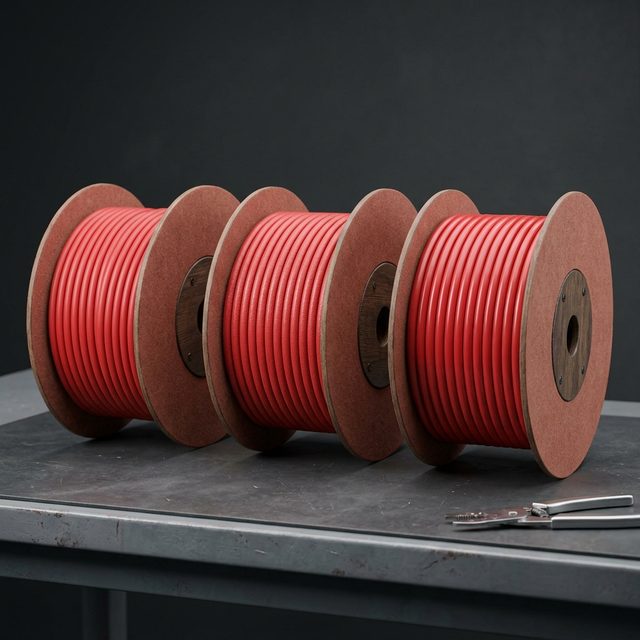
NFPA 72 says how it works; NEC Article 760 says how it's wired
Every wire, cable and raceway in a fire alarm system is installed per NFPA 70, the National Electrical Code, and Article 760 is the fire alarm chapter. It defines power-limited (PLFA) and non-power-limited (NPLFA) circuits, the cable types you're allowed to use — FPL for general use, FPLR for vertical risers, FPLP for plenums — and forbids running power-limited fire alarm conductors in the same cable, raceway or box as electric light and power or NPLFA conductors unless they're separated by a barrier. Installing an unlisted cable, or mixing 120 V and NAC wiring in one box, is a code violation even when the system tests fine.
NFPA 72 reference
Chapter 12 — Circuits and Pathways (and NFPA 70)
12.2.1 installation of wiring, cable and equipment per NFPA 70; NFPA 70 Article 760 (760.136 separation of PLFA from power conductors; 760.179 cable listings FPL / FPLR / FPLP)
References use NFPA 72 2019/2022 numbering — section numbers can shift between editions, so confirm in the edition your AHJ has adopted.
On the job
A low-voltage crew pulls FPL cable up a 6-story electrical riser shaft to save money. The electrical inspector flags it: a vertical run penetrating floors needs FPLR (riser-rated) or FPLP cable. The run is replaced, and the same inspection catches a NAC spliced inside a 120 V junction box — moved to its own box with a barrier.
Quick check
1. Which cable type is required for a vertical run through multiple floors?
2. Power-limited fire alarm conductors in the same box as 120 V conductors must be:
3. Fire alarm wiring methods are governed by:
Listen to this section
AI-narrated, about a minute.
Ask about this section
Get a plain-language explanation of what this rule requires and what to check on the job.
3 free explanations left on this device.