
NFPA 72 code sections · NFPA 72 Overview
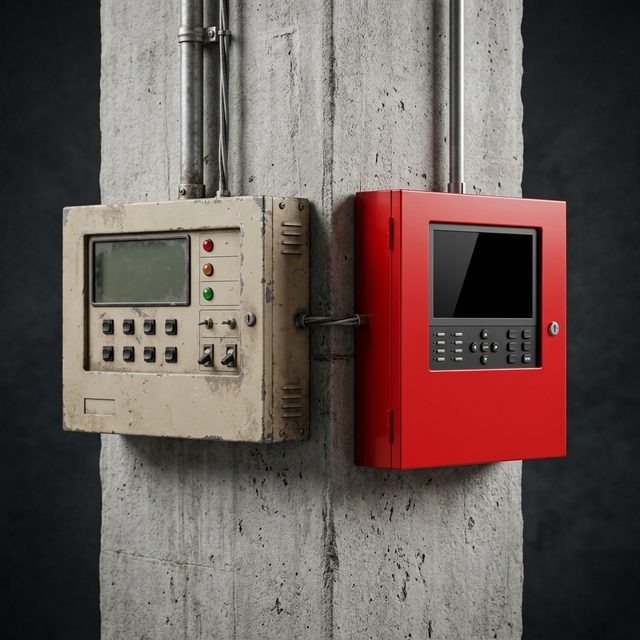
New editions don't automatically apply to existing systems
Unless the code says otherwise, NFPA 72 is not retroactive. An existing system that met the edition in force when it was installed can stay as it is, as long as it is maintained. The exceptions: when the AHJ determines the existing situation presents a distinct hazard to life or property, or when a system is altered, extended, or replaced — then the new work must meet the currently adopted edition. The code also lets the AHJ allow extra time to comply where a retroactive requirement does apply.
NFPA 72 reference
Chapter 1 — Administration
1.4 Retroactivity (1.4.1 through 1.4.4)
References use NFPA 72 2019/2022 numbering — section numbers can shift between editions, so confirm in the edition your AHJ has adopted.
On the job
You're adding six strobes to a 15-year-old conventional system during a tenant fit-out. The new notification appliance circuit and the strobes must meet today's adopted edition (synchronization, candela, mounting). The untouched detectors in the rest of the building are not required to be upgraded just because the code changed — unless the AHJ identifies a distinct hazard.
Quick check
1. By default, a new edition of NFPA 72 applies to:
2. The AHJ can require an existing system to meet the current edition when:
Listen to this section
AI-narrated, about a minute.
Ask about this section
Get a plain-language explanation of what this rule requires and what to check on the job.
3 free explanations left on this device.