
NFPA 72 code sections · NFPA 72 Overview
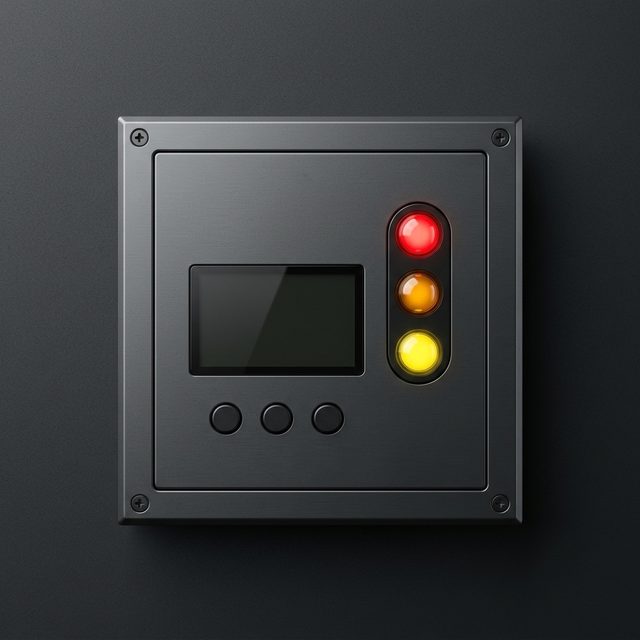
Alarm beats supervisory, supervisory beats trouble
NFPA 72 recognizes three main signal types and ranks them. An alarm signal (fire or other life-safety emergency) takes priority over a supervisory signal (something is off-normal, like a closed sprinkler valve), which takes priority over a trouble signal (a fault in the system itself, like an open circuit). Each must be distinctive so the person at the panel can tell them apart, and supervisory and trouble signals have to stay visible until the condition is restored.
NFPA 72 reference
Chapter 10 — Fundamentals
10.7 Signal Priority; 10.10 Distinctive Signals; 10.14 Supervisory Signals; 10.15 Trouble Signals
References use NFPA 72 2019/2022 numbering — section numbers can shift between editions, so confirm in the edition your AHJ has adopted.
On the job
The panel shows a trouble for a ground fault when a sprinkler fitter closes the riser valve. The supervisory signal for the tamper switch must still come through and be distinguished from the existing trouble — and if a pull station is then activated, the alarm overrides both. A panel programmed so the trouble buzzer masks the supervisory indication is a code problem, not just a nuisance.
Quick check
1. Which signal has the highest priority?
2. A closed sprinkler control valve should produce a:
3. An open wire on a detector circuit produces a:
Listen to this section
AI-narrated, about a minute.
Ask about this section
Get a plain-language explanation of what this rule requires and what to check on the job.
3 free explanations left on this device.