
NFPA 72 code sections · Devices & Signal Flow: How the Panel Hears and Speaks
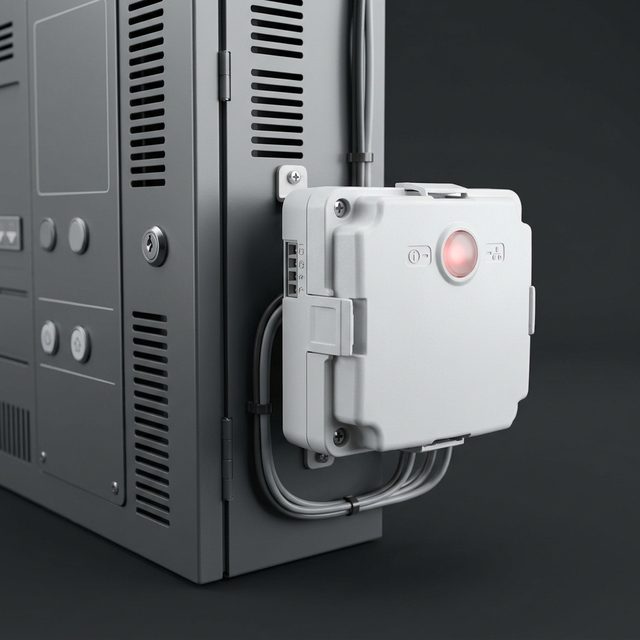
Relay module: a dry contact the panel uses to run someone else's equipment
A relay module gives the panel a set of dry contacts it can open or close on command — nothing more. There is no supervision beyond the module itself, which is why the code says the relay must sit within 3 feet of the equipment it controls and the wiring from the panel to the relay must be monitored; the short, unmonitored jumper is kept short. Relay modules are the workhorse of emergency control functions: elevator Phase I recall and shunt trip, fan shutdown and smoke-damper closure, magnetic door holder release, unlocking access-controlled egress doors, stopping escalators or music, and giving the building automation system a 'fire alarm' status. The function, the relay and its location all appear on the input/output matrix and are tested at acceptance.
NFPA 72 reference
Chapter 21 — Emergency Control Function Interfaces
21.2.4 relay within 3 ft (1 m) of the controlled circuit or appliance; 21.2.5 monitoring of the wiring to the relay; 21.3 elevator recall, 21.7 HVAC, 21.8 door release, 21.9 electrically locked doors (typical relay-module functions); Table 14.4.3.2 emergency control functions tested
References use NFPA 72 2019/2022 numbering — section numbers can shift between editions, so confirm in the edition your AHJ has adopted.
On the job, step by step
- A smoke detector in the first-floor elevator lobby alarms.
- The panel's sequence of operation commands the relay module in the elevator machine room — mounted within 3 feet of the elevator controller — to close its recall contact.
- The elevator controller, not the fire alarm, performs Phase I recall and sends the cars to the alternate level because the alarm is on the designated level.
- A second relay module at the air handler opens the fan's run circuit; a third drops the magnetic door holders in the lobby corridor.
- All three functions are rows on the I/O matrix and were witnessed by the AHJ at acceptance.
Quick check
1. A relay module must be located:
2. Which is a typical relay-module function?
3. The wiring between the panel and a relay module must be:
Listen to this section
AI-narrated, about a minute.
Ask about this section
Get a plain-language explanation of what this rule requires and what to check on the job.
3 free explanations left on this device.